Walking to another year

Walking to another year

As I polished off a final walk for 2024 just now, disparate thoughts of “obsessed with stats” and “doing what matters” occured to me. Once again I had a goal to complete 365 walks in a year – rules are pretty simple – minimum walk two kilometres, can’t break a longer walk just to claim more than one, and purposeful walk (but can have another purpose too like going somewhere!). I nearly didn’t make it. On 30 November with 31 days left I had 39 walks to go. The pressure! But I clicked over 365 on the 28th, with the sudden realisation that it was a leap year and questioning whether the goal should have been 366 walks this year. Maybe it should have been, but I’m now comfortably home on 367, average walk 4km, total 1470.25 kilometres. Final walk 30 December 4km, longest walk 21.21km (Auckland half marathon) and according to the App I use I burned over 170,000 calories. Happily I must have consumed slightly less than that, as another goal for my weight is well progressed.

It’s subject to audit. My school friend Nigel checks my walks, comments to keep me motivated, but critiques where the map looks dodgy (“went for a drive by the look of it” before hitting “stop” on the App was a common observation), all of which I corrected or ignored in my total. Integrity matters when no one is watching.

Maungawhau Mt Eden gets the heart rate up and a great view as a reward

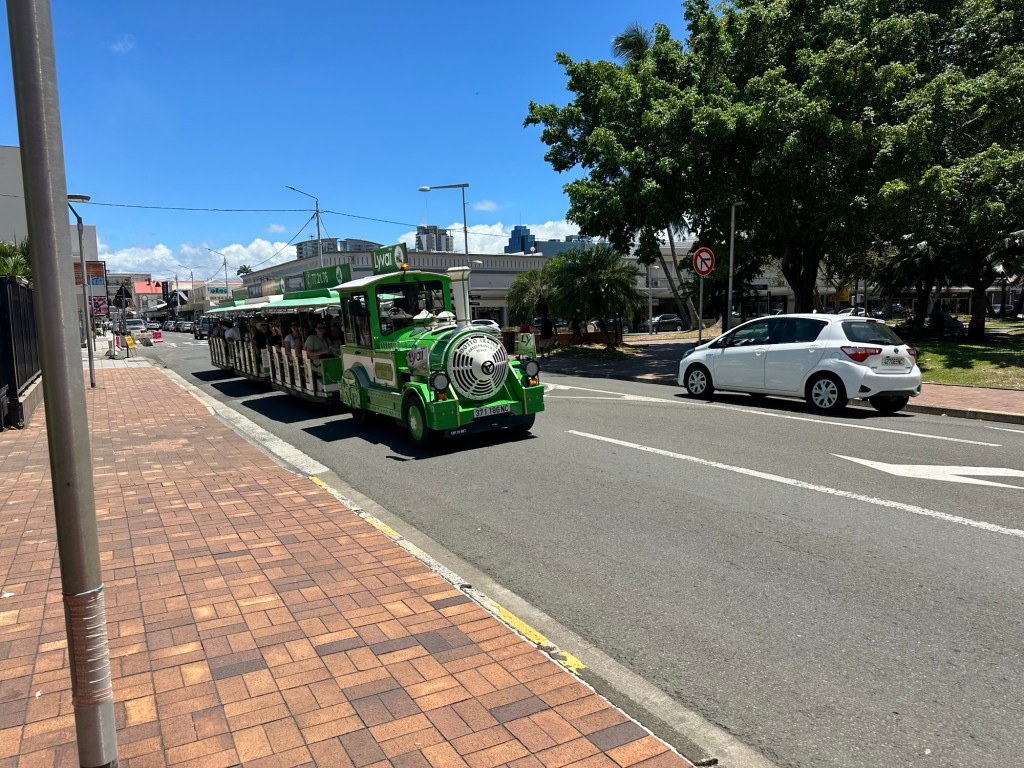
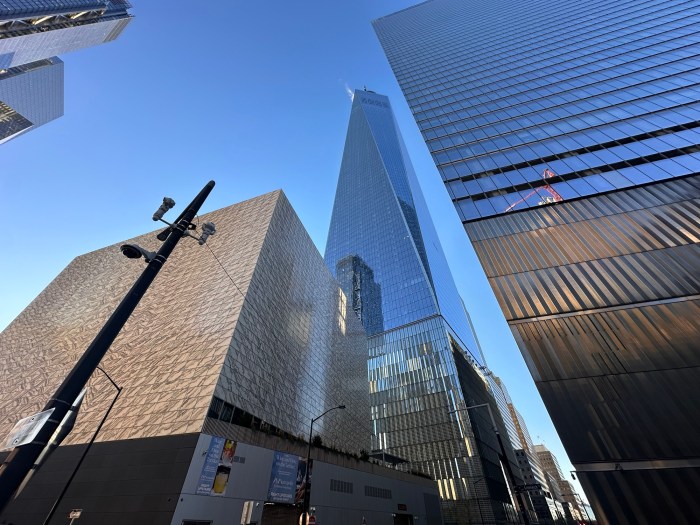
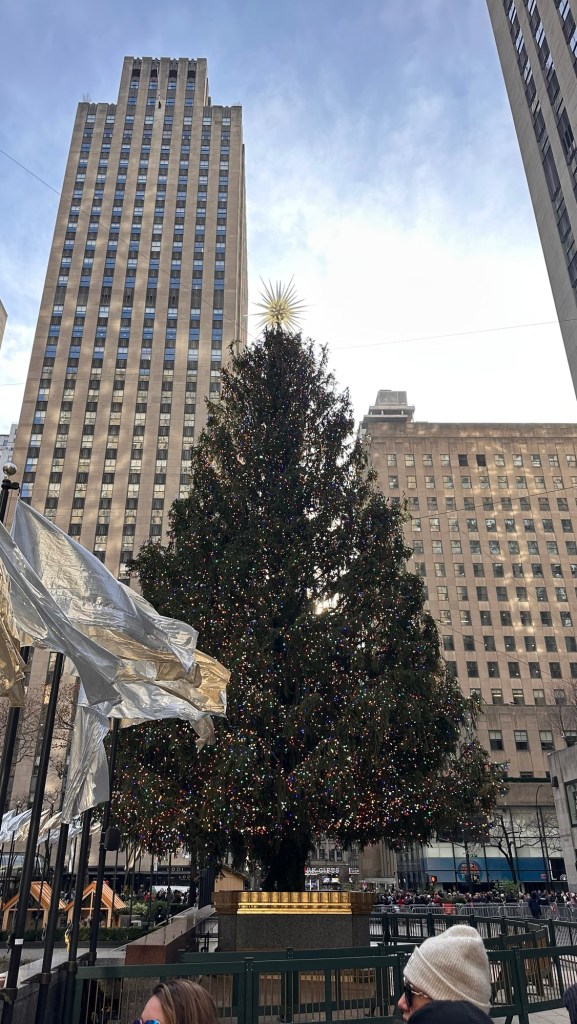
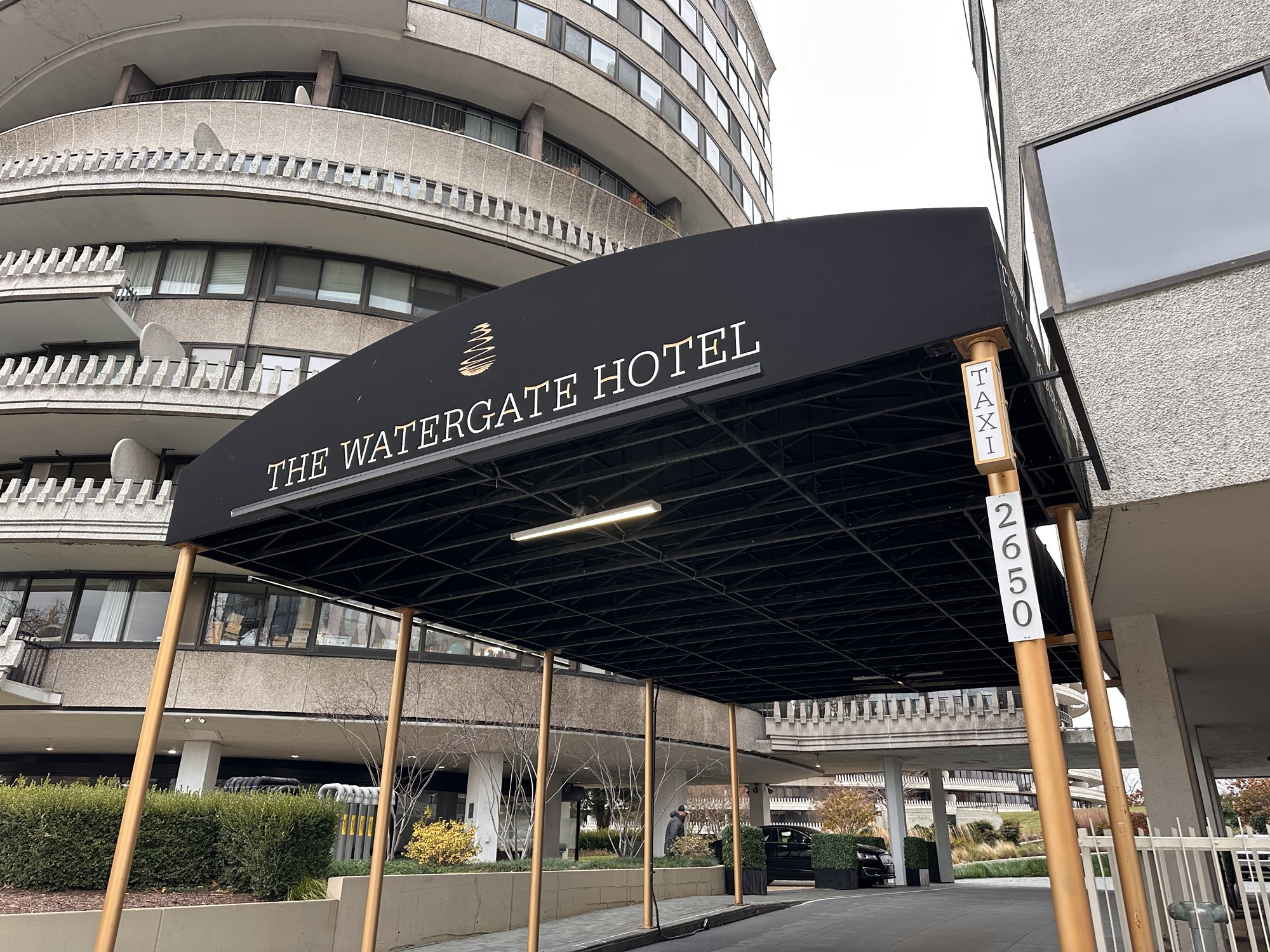
I walked in Auckland, Hamilton, Wellington, Christchurch, Dunedin, Rakaia Gorge, Methven, Oamaru, Queenstown, London, Cork, Dublin, Belfast, Glasgow, Edinburgh, Las Vegas, New York, Washington DC, Noumea and Singapore. If that all sounds a bit grand, it is. But it included a long postponed trip to see whanau and some work travel I was privileged to do.

For me this is all very fascinating and satisfying for my obsessed with stats brain. But that’s just the means to an end.
A freezing DC day

The end is health, in all its physical forms: rehabilitative, cardio, weight control, movement (use or lose at my age). And it’s psychological forms: deep thinking, open brain to solve problems, relationships (catching up with friends sometimes), knowledge gaining on e-books, my – rhymes with I as in introvert – time which is brain resting for me.

It’s free and freedom giving all at once and my favourite transport method hands down.

Stephen

Notes and Photos:

2024 End of year walking awards to myself:

Hottest walk – Las Vegas strip 41c, middle of the day, just dumb to do that

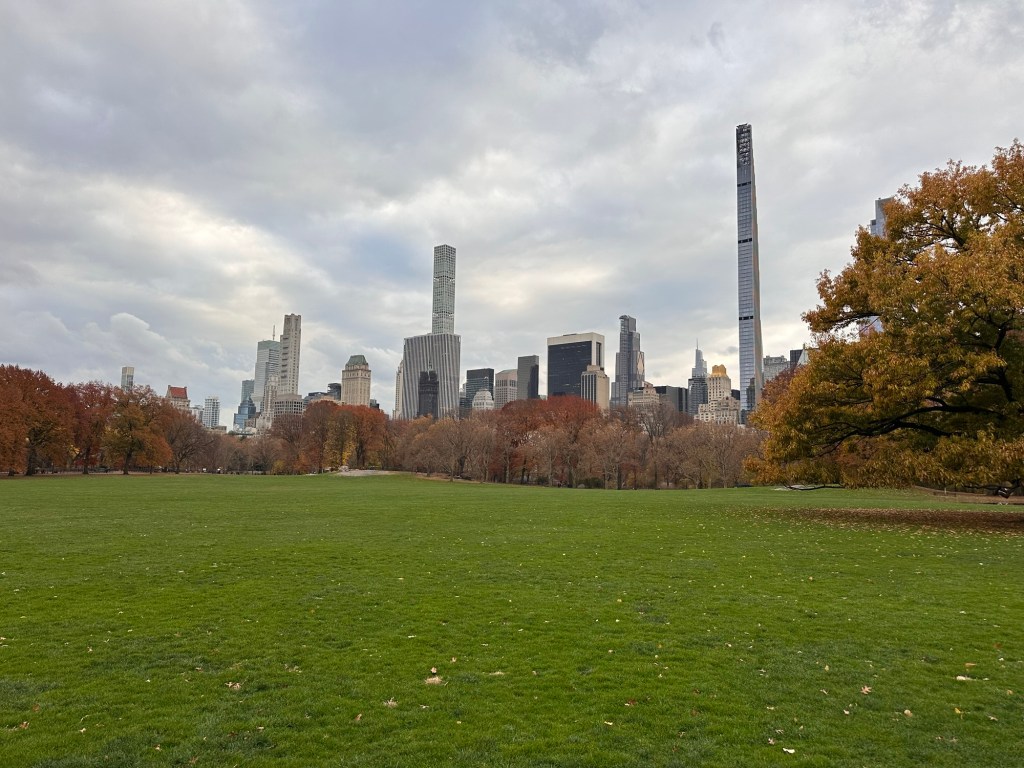
Coldest walk – New York City through Central Park “-1c, feels like -9c” according to the weather App (below)

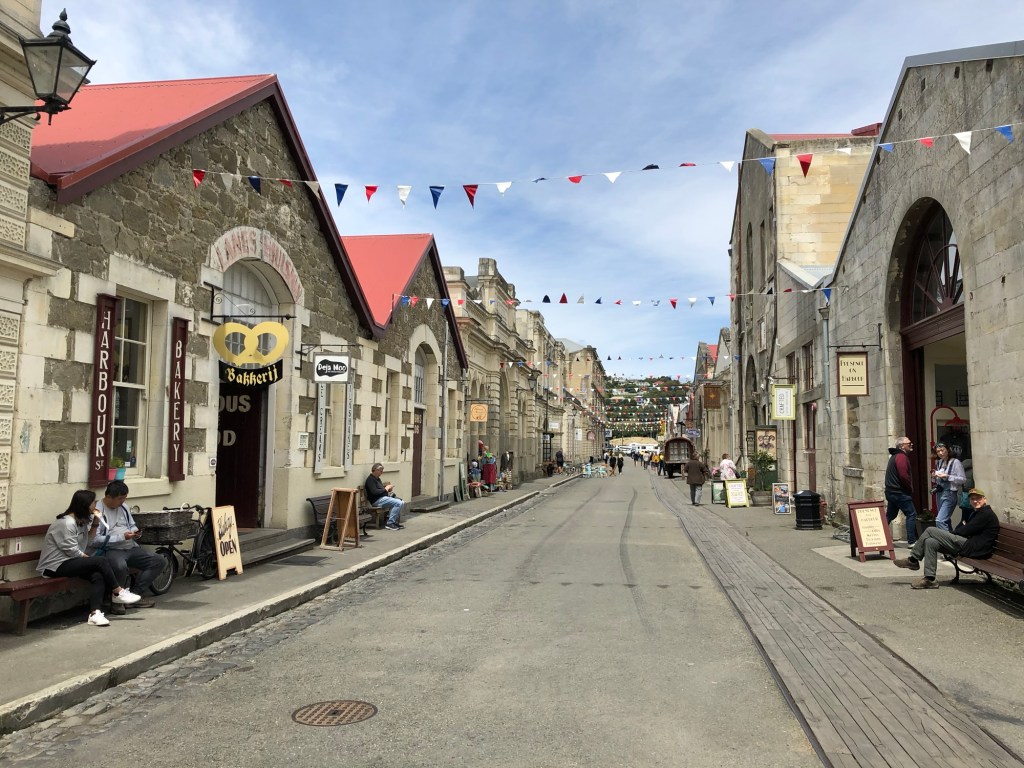
Biggest surprise walkDunedin city at dusk, stunning lighting

Most sobering walk – Belfast, Northern Ireland, the peace walls and sectarian messages on buildings (below).

Most exhilarating walk – New York, anywhere but especially anywhere!

Never tire of it walk – Auckland Domain

Best walking city in New Zealand – Christchurch – a 3km loop on laneways, Victoria Square, New Regent Street. Or Hagley Park and the Botanic Gardens. Flat, accessible, close, beautiful.

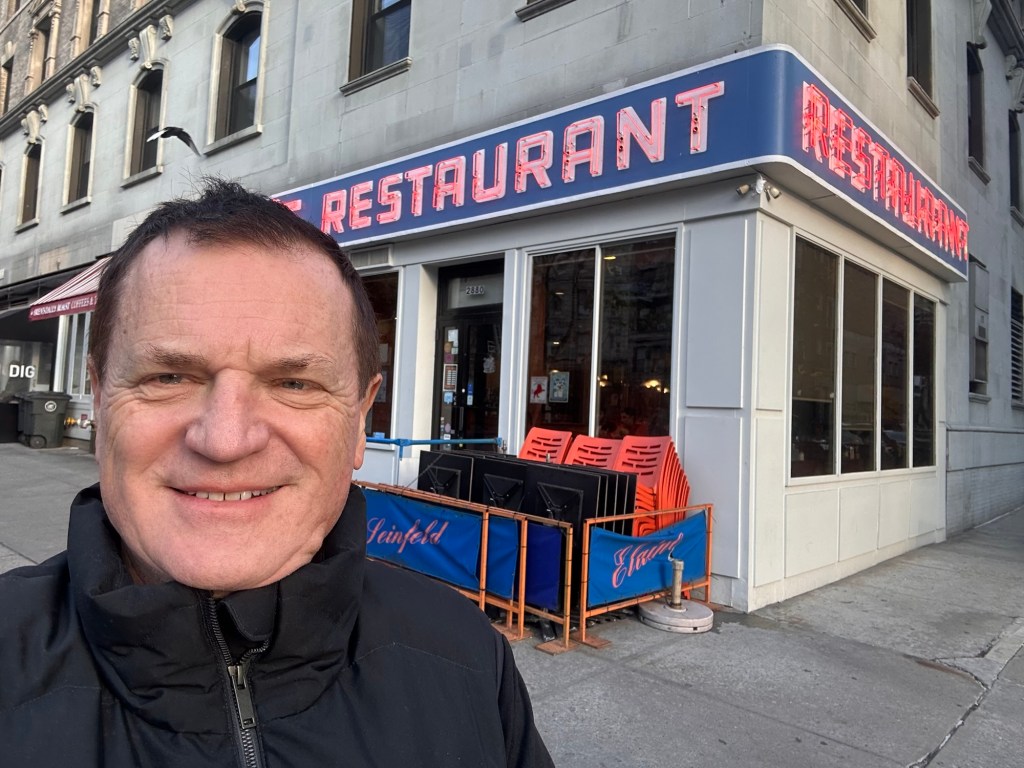
Best walk to a place that I’ve known for 30 years but never seen – Tom’s Restaurant (Seinfeld – below)

Wish I could walk there now – Cork, Ireland, to see my son and his family again

Walk that stopped me walking for a weekAuckland half marathon, blister special

Walk I didn’t do this year but want toAuckland Maunga, I did Mt Eden, but a 20km loop of 4 or 5 Maunga is a great outing

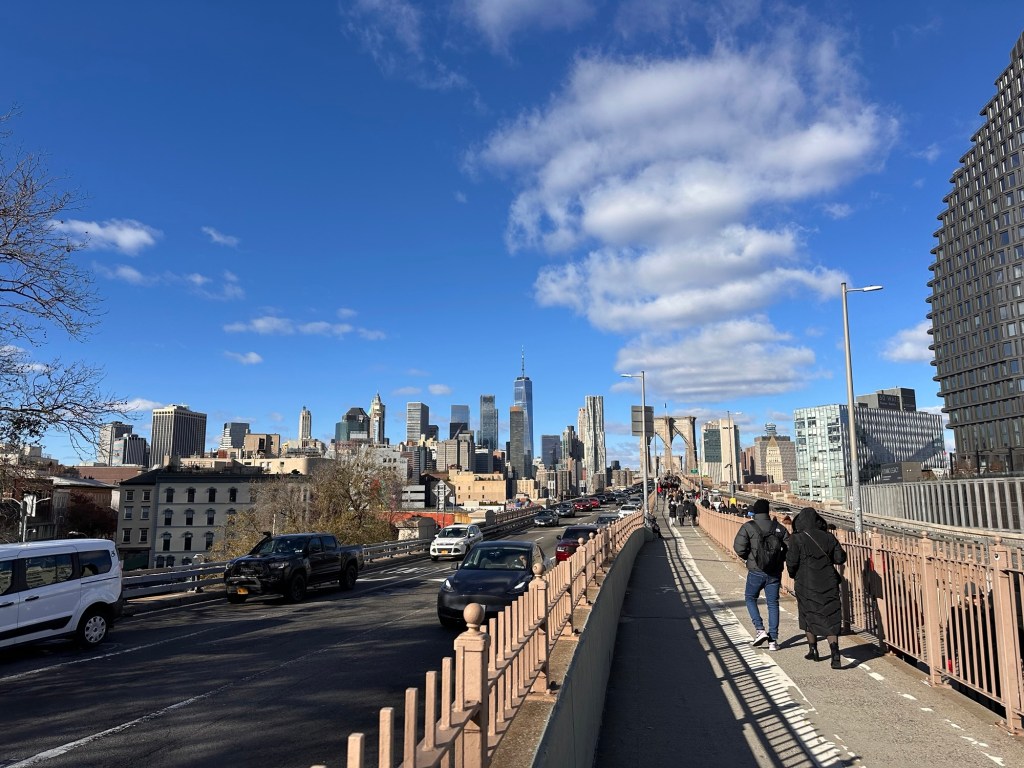
Thing I can’t stop photographing on a walk – Bridges – examples this year are Auckland Harbour Bridge, pedestrian bridge across the River Clyde in Glasgow (below, with my son Thomas), Queensboro Bridge NYC (in banner), Brooklyn Bridge (below), Bridge of Remembrance in Christchurch (I see it all the time but still photograph it with different lighting), and all the lighted bridges that authorities take the trouble to have designed and keep looking cool purely for aesthetic reasons.

Photos

Use of AI

Like my friend Kris N, HI only used in words or photos (I thought I just invented “HI” as a thing, but on googling, no I haven’t)

A princely tale of gratitude

A princely tale of gratitude

When sixty of us 17 and 18 year olds gathered at the Police College in Trentham, Upper Hutt in January 1981 it’s probable that none of us really knew why we were doing it, or where it might take us. We had been selected from a pool of applicants and as the country was in a recession, with unemployment rising it was likely – in hindsight – that there would have been no shortage of applicants. From what I can pick up, some joined because of family connections, some because they saw this as a career for life, and others, well, who knows what 17 year olds are making decisions based on!

Recently, our Covid delayed 40 year reunion took place in Wellington, with 27 of the group, some spouses and one instructor. And we saw videos from four others who couldn’t make it including until recently the coach of an international rugby team.

Through 1981 we were designated temporary constables to help out with policing during the controversial Springbok Tour. 58 Graduated. Four have sadly died. Three of us, including one of my besties still, started our police careers at Dunedin. Six of the 58 are still serving in the police.

With Mum & Dad at the opening of the Police College 42 years ago today.
Mum & Dad with me at the opening of the police college 42 years ago. Mum and Dad are still my best career champions – always there.

During the reunion weekend, we visited the Royal NZ Police College in Porirua where we moved to in March 1981, as the first occupants. Exactly 42 years ago today, on 1 April 1981, the then Prince of Wales, visited us and formally opened the new College. It was an amazing event, and we trained hard to put on a gymnastic display with telegraph poles, got a crash course in marching and drills and I’m sure we made everyone pretty proud from our parents in attendance, the police commissioner Bob Walton through to the then prime minister Robert Muldoon. Prince Charles was our Patron and so we were and still are known as the Prince of Wales 25th Cadet Wing. The Cadet programme only lasted another year, and after that all recruits had to be grown ups of at least 19 years old!

Rainbow Warrior Bombing display at the police college museum Although I’m smiling, I am respectful that Greenpeace photographer Fernando Pereira died in this incident, never forgotten. To my right is the outboard from the Zodiac used by the bombers. I had a photograph with that in the NZ Herald at the time.

It seemed to me at the reunion there might be an inverse relationship between tenure in the police and enthusiasm to relive that special year. For the six cadets still serving as police officers, it was obvious they were proud, but the life was still very much in the present. A great career for each of them I’d say.

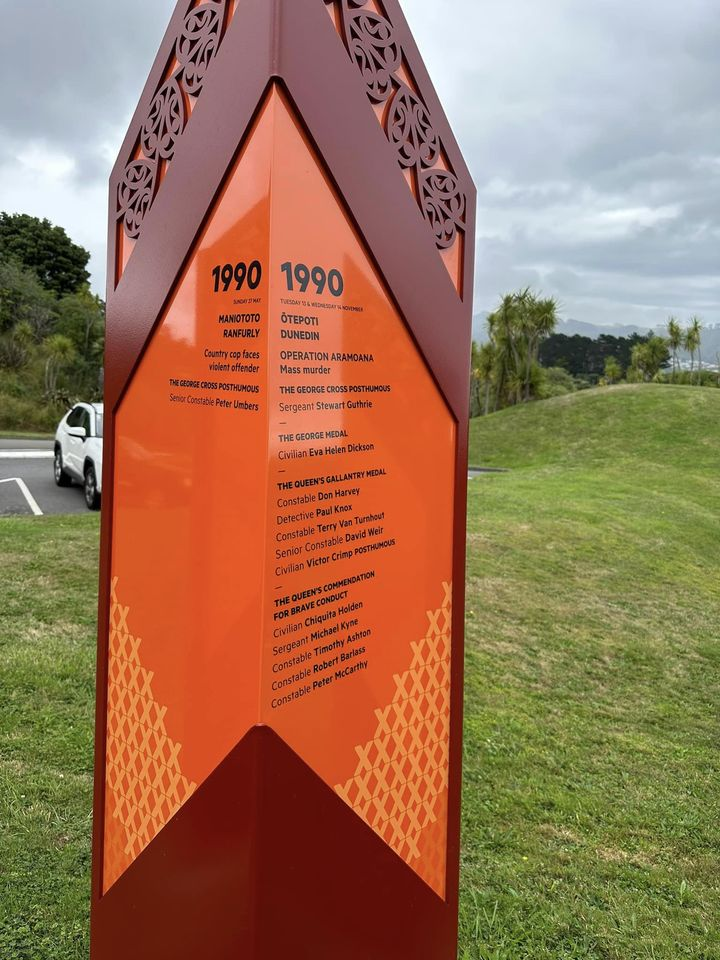
For me, having done nine years, there was a certain level of marvel at revisiting the college, and with it all the memories stored away. Some things I don’t remember I ever knew. On the tour the subject of remuneration came up “$8990 was our starting salary” I declared. Turns out that was only if you had UE – otherwise it was a $1000 less! Parts of my career are stored for ever there and I never knew – the display in the Museum of the Rainbow Warrior bombing where I had been brought in to support as 2 i/c Exhibits, the Trades Hall bombing where, with a Detective Sergeant, I had been privileged to conduct the Auckland-based enquiries, and the memorial to Police officers killed on duty including a Sergeant I had known in Dunedin. All sobering and satisfying to reflect on all at the same time.

Sharing a cup of tea in the canteen at the end of the tour I chatted to the latest recruits, to discover that their patron is one of my partners at PwC. Small world. If they represent the police of the future, we are very fortunate. Far more mature, and balanced than I recall we were!

I hope these beautiful people in training that I met from the latest recruit wing don’t mind their photo here. We are in good hands with these fine people in blue.

There’s practical stuff I learned in the police that I use every day in my work still – freeze the scene! – which is more about capturing electronic devices in my work now, but the principles are just the same as for a physical environment, and capturing and recording evidence for use in Court.

But the gift of the training and the time in the police has been holding onto resilience, perspective and calmness under pressure.

I use that every day too. It’s good leadership.

Thanks to the police for quite a lot actually.

Stephen

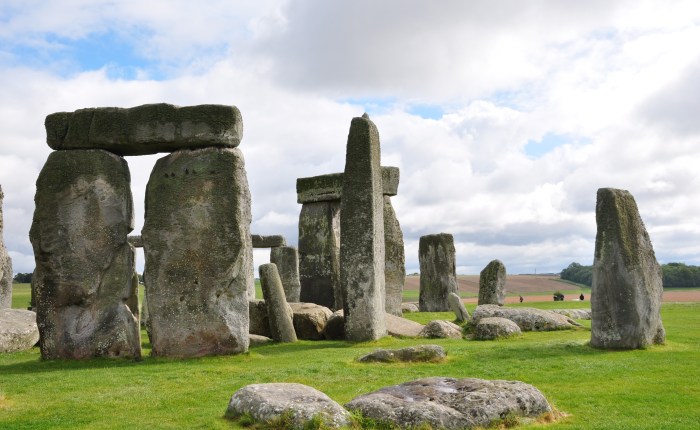
Those rocks are smaller than you think

Those rocks are smaller than you think

Coming to the end of The Obstacle is the Way I was surprised when the author announced that I was now a philosopher in Stoicism. Although the title of the book is perhaps an obvious clue as to what follows, I hadn’t framed my approach this way. But I found much of the book confirmatory of the usefulness of the concepts of stoicism – especially in a world of disruption (i.e. always!).

The challenging client? Covid anxiety? A war? The intractable work issue? Passive behaviour that feels aggressive? Too many life admins outstanding? All of the above all at once? I try to monitor and notice my own reactions to life’s obstacles – does my heart rate increase, am I irritable, do I start doing detailed work and planning? To notice is to be present in the here and now.

I remember many moons ago working in the Auckland Central police watchhouse – where people who had been arrested were “processed” – until they were bailed or taken to court. As you might imagine, not all customers were particularly happy – many drunk, aggressive and abusive. But you had to search, photograph and fingerprint them, whether they liked it or not. In some respects, achieving the outcomes required behaviour that was the antithesis of the macho, forceful imagine of a uniform cop tackling an alcohol-infused melee. It required the ability to depersonalise the anger directed at you. It’s surprisingly difficult to fingerprint someone – hold their fingers over an inkpad, and roll each finger on the paper – all ten of them – if they don’t want it! I must have achieved a modicum of success as the senior sergeant asked me to stay on for a second six month tour because he said, I had the temperament. I declined, patrols were far more exciting.

But it must have been part of my journey of stoicism, which has really come to the fore these last couple of years, although I’ve never really framed it for myself that way. Perception, Action and Will make up the three disciplines of this book and underpinning it is turning every obstacle into an advantage. In business we might say “turning lemon into lemonade”, or “pivoting now”, but what we’re doing is turning the challenge, the obstacle or disadvantage into an opportunity.

Put another way, declining to be a victim despite the circumstances of apparent unfairness, avoiding catastrophising a situation – living in the present – the book says that unfortunately “We have to dive endlessly into what everything “means”, whether something is “fair” or not, whats “behind” this or that..”. Actually most of the time when something isn’t going our way, the person, or people that might be the perceived cause, are more than likely not particularly interested in us. Sad, but good too! It can put perspective into our lives.

Been “disrespected” at work? Who hasn’t been? (who hasn’t done it too?). Was the other person acting with intention? Possibly, but more than likely it was just a moment. So don’t worry. Feed off what they said and come back more powerful appearing more considered and patient as a result.

It’s a perfect day for stoicism. Rain is here after what feels like months of fine weather (unconscious bias of course – there’s been some!), and it’s got that cosy, rain on the roof feeling.

An opportunity to catch up on life admin, and even restart a blog!

Stephen

Headline Photograph: Stonehenge from a visit in 2015. The rocks were quite a bit smaller than I had imagined.

It’s in your head

It’s in your head

I’ve been grappling a bit over the last couple of years with resilience – the concepts more than the actual thing (I think!). People talk of building it up, focussing on your wellbeing to make sure you are resilient, especially during this Covid era when uncertainty about work, health, travel, whanau is ever present. It’ll be coming up four years soon since I saw my eldest son, now settled in Ireland with children of his own, one I’ve not seen in person. There are thousands of similar, and far more challenging situations for many Kiwis. I’m thinking especially those who have lost their employment or had their earnings restricted from business, or who haven’t been able to say farewell to loved ones who have died. It’s tough. And resilience is needed.

I was out at my little piece of paradise this long Waitangi weekend, doing some cleaning up, after a big clean up – moving bits of old metal, some electric power line fittings – trees in pots that had fallen over and so on. I’ve been very cautious – one of my legs is not what it used to be and I’ve been looking after my resilience by protecting it, having others to do the hard graft, leaving me for such strenuous activities as watering and fetching cold drinks from the fridge in the container (should you leave it on? – I hope it’s alright!).

Something switched – maybe I suddenly reached a tipping point and got tougher, but I grabbed all the old metal, electrical fittings and some bits of timber and lugged them up the hill to the bin. Cripes it felt good. Then I did it again. Then I moved the plants back upright. Then I attacked the door to the bore shed that’s been jamming – fixed that.

I’m certain it wasn’t all in my head, I have been weaker, but it had got in my head and now it’s out and I’m free and strong to do what I can. Well that’s what it feels like – probably won’t make the Olympic team quite yet, but you get the drift!

Mount Taranaki

In The Mental Toughness Handbook by Damon Zahariades he separates resilience from mental toughness. He says Resilience:

“is the ability to bounce back from unforeseen complications. It’s the ability to adapt. For example, suppose you leave your home at a normal time en route to your workplace. Unfortunately, you run into expectedly heavy traffic on the freeway. This setback is sure to make you late for a meeting scheduled that morning.
A resilient person might grit his teeth and curse under his breath, but he’d ultimately adapt to this circumstance. He might seek a different route to his workplace, using his phone’s GPS feature. Or he may call his office and reschedule the meeting. Or he might compose an explanation for his tardiness that allows him to avoid others’ disapproval.

Mental toughness is a mindset. It not only reflects our ability to bounce back from unforeseen complications, but also demonstrates a positive outlook during the experience. It’s not just the ability to handle stressful situations. It reflects how we handle them. For example, a mentally tough person caught in unexpectedly heavy traffic might take the opportunity to listen to an inspiring audiobook. In fact, she might be pleased with her circumstance because it gives her the opportunity.”

Obviously there’s more to it in the book than I can relay here, but think about the times when things go wrong – do you see it as an opportunity? Or do you try and make sure the tracks are covered?

I’m not advocating pulling yourself up by the bootstrings necessarily but there is something to be said for thinking of the opportunity. But it’s tough. Mentally tough, but it might just be in your head as to which way you choose.

Resilience vs Mental Toughness. Subtly different.

Stephen