Walking to another year

Walking to another year

As I polished off a final walk for 2024 just now, disparate thoughts of “obsessed with stats” and “doing what matters” occured to me. Once again I had a goal to complete 365 walks in a year – rules are pretty simple – minimum walk two kilometres, can’t break a longer walk just to claim more than one, and purposeful walk (but can have another purpose too like going somewhere!). I nearly didn’t make it. On 30 November with 31 days left I had 39 walks to go. The pressure! But I clicked over 365 on the 28th, with the sudden realisation that it was a leap year and questioning whether the goal should have been 366 walks this year. Maybe it should have been, but I’m now comfortably home on 367, average walk 4km, total 1470.25 kilometres. Final walk 30 December 4km, longest walk 21.21km (Auckland half marathon) and according to the App I use I burned over 170,000 calories. Happily I must have consumed slightly less than that, as another goal for my weight is well progressed.

It’s subject to audit. My school friend Nigel checks my walks, comments to keep me motivated, but critiques where the map looks dodgy (“went for a drive by the look of it” before hitting “stop” on the App was a common observation), all of which I corrected or ignored in my total. Integrity matters when no one is watching.

Maungawhau Mt Eden gets the heart rate up and a great view as a reward

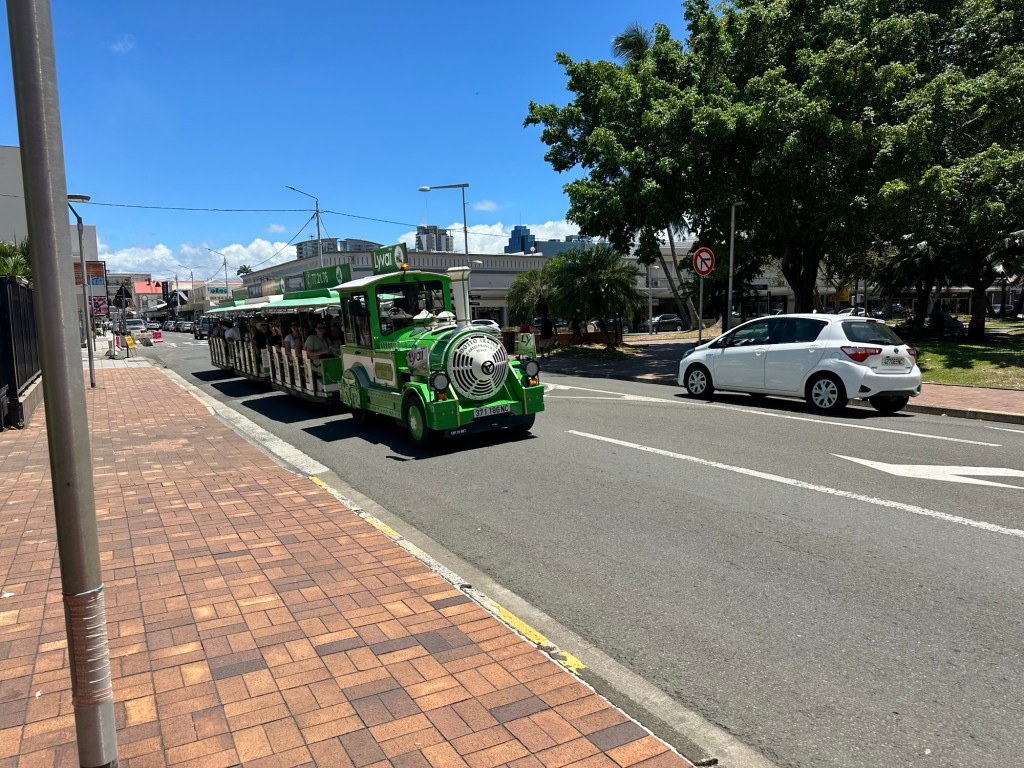
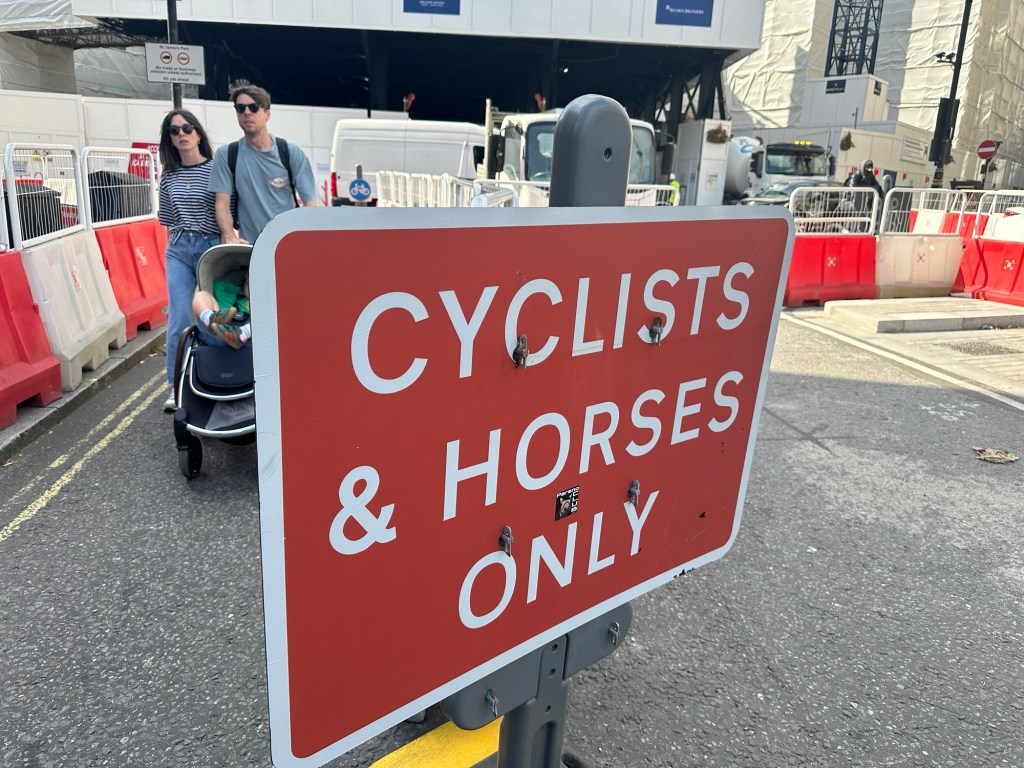
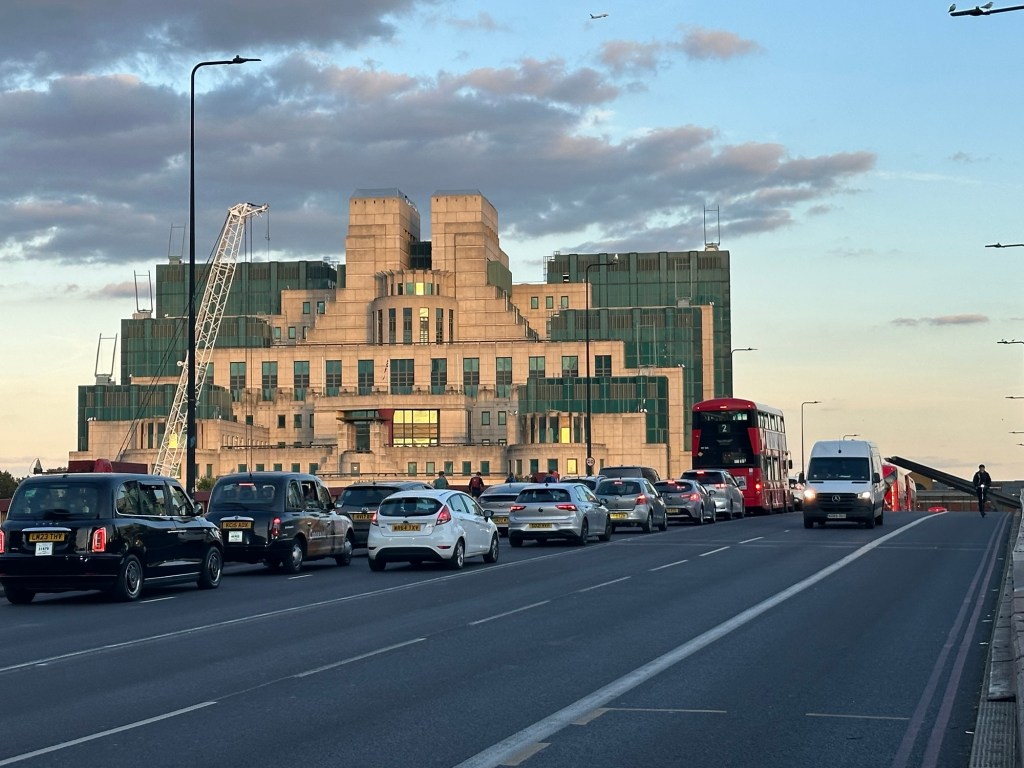
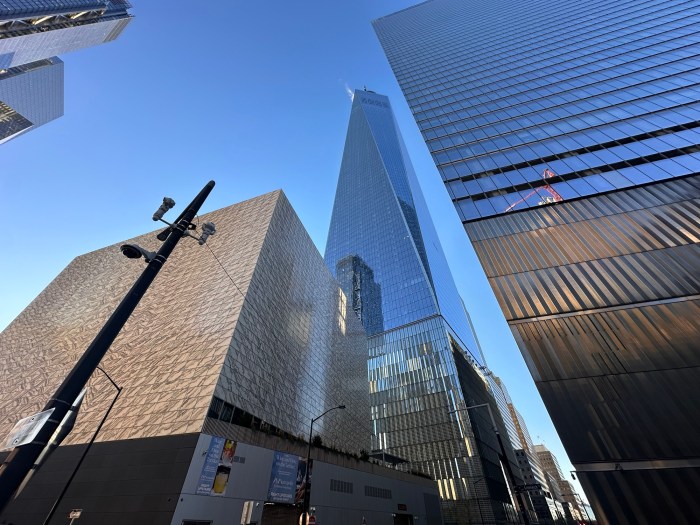
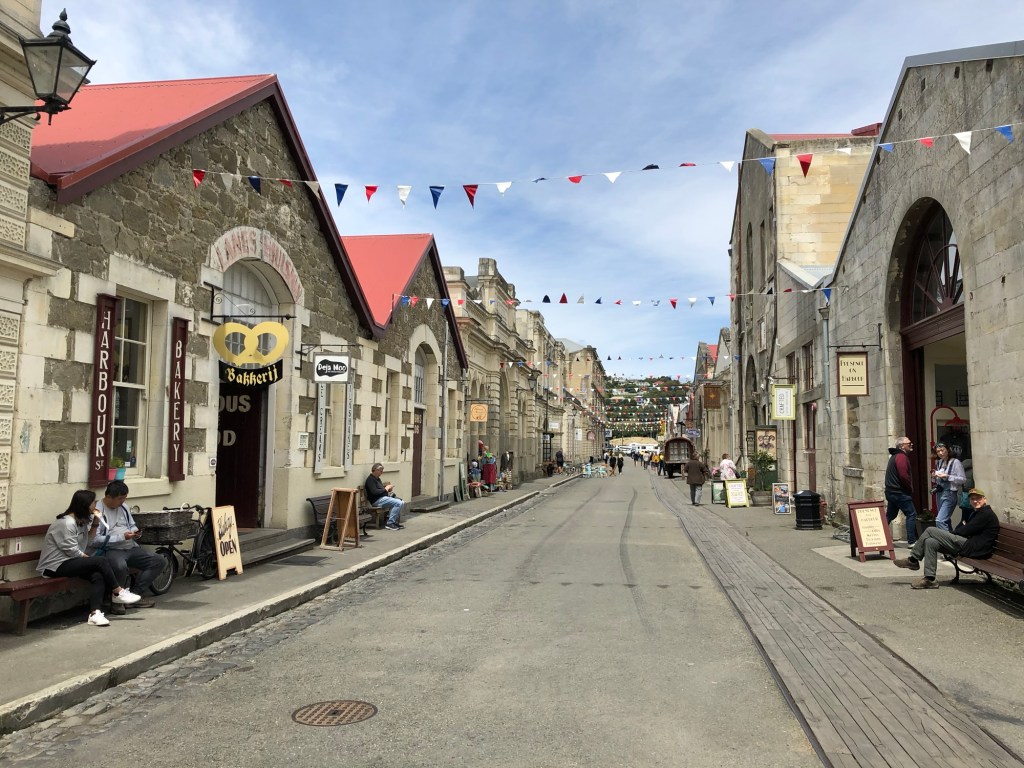
I walked in Auckland, Hamilton, Wellington, Christchurch, Dunedin, Rakaia Gorge, Methven, Oamaru, Queenstown, London, Cork, Dublin, Belfast, Glasgow, Edinburgh, Las Vegas, New York, Washington DC, Noumea and Singapore. If that all sounds a bit grand, it is. But it included a long postponed trip to see whanau and some work travel I was privileged to do.

For me this is all very fascinating and satisfying for my obsessed with stats brain. But that’s just the means to an end.
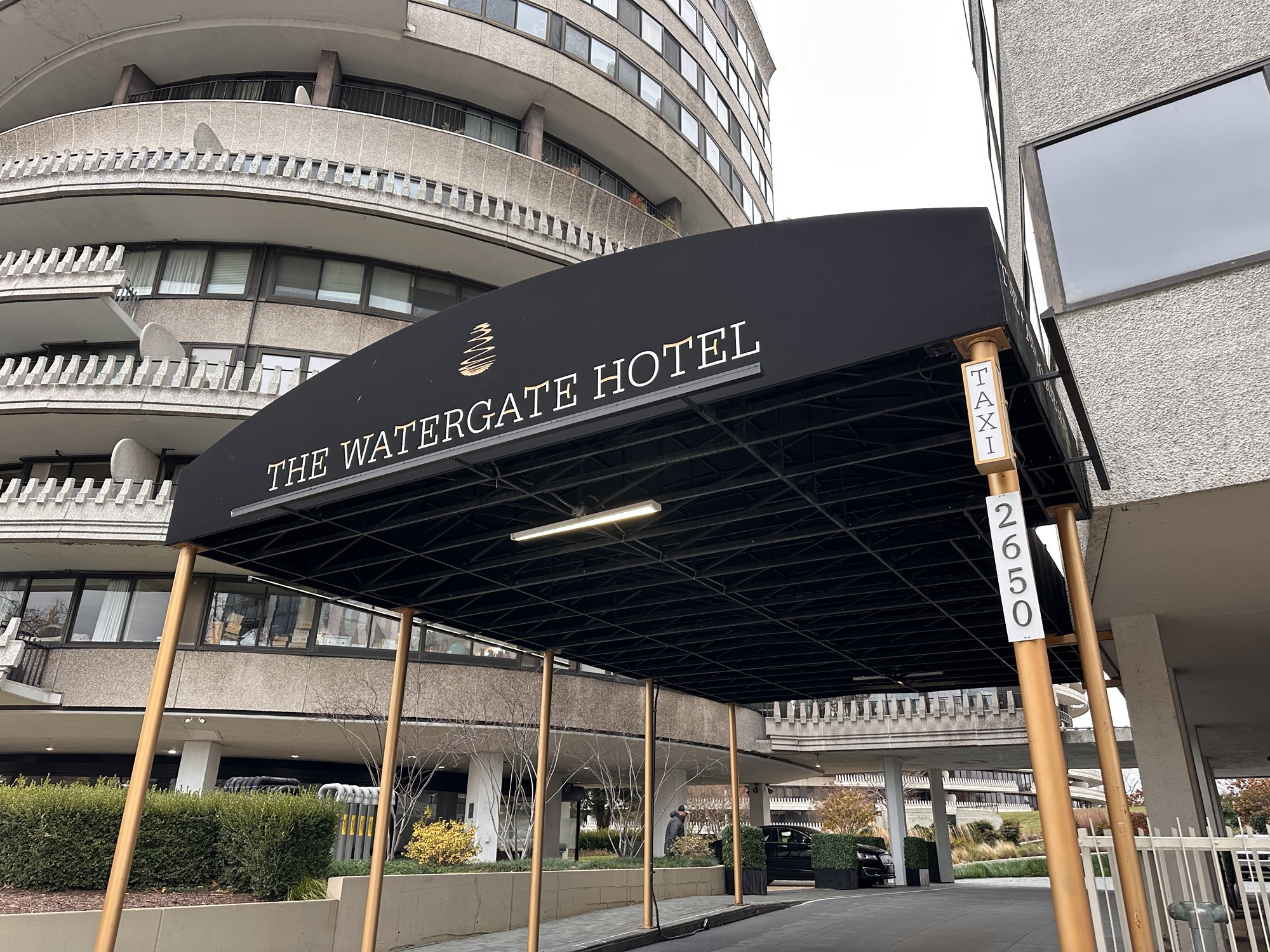
A freezing DC day

The end is health, in all its physical forms: rehabilitative, cardio, weight control, movement (use or lose at my age). And it’s psychological forms: deep thinking, open brain to solve problems, relationships (catching up with friends sometimes), knowledge gaining on e-books, my – rhymes with I as in introvert – time which is brain resting for me.

It’s free and freedom giving all at once and my favourite transport method hands down.

Stephen

Notes and Photos:

2024 End of year walking awards to myself:

Hottest walk – Las Vegas strip 41c, middle of the day, just dumb to do that

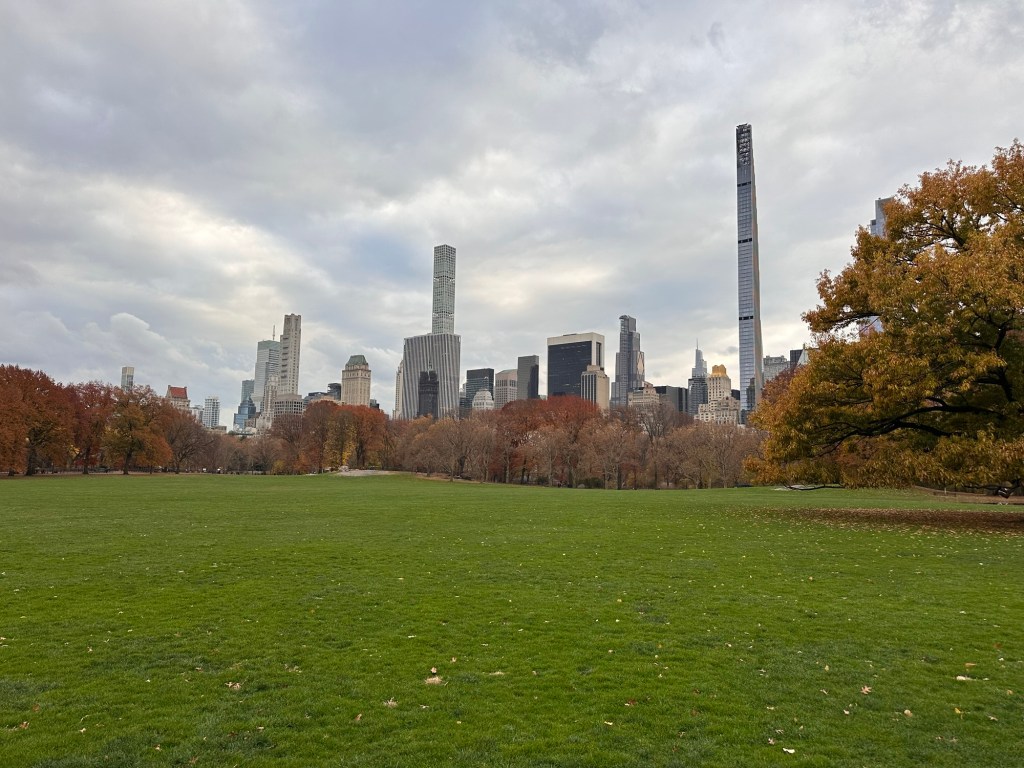
Coldest walk – New York City through Central Park “-1c, feels like -9c” according to the weather App (below)

Biggest surprise walkDunedin city at dusk, stunning lighting

Most sobering walk – Belfast, Northern Ireland, the peace walls and sectarian messages on buildings (below).

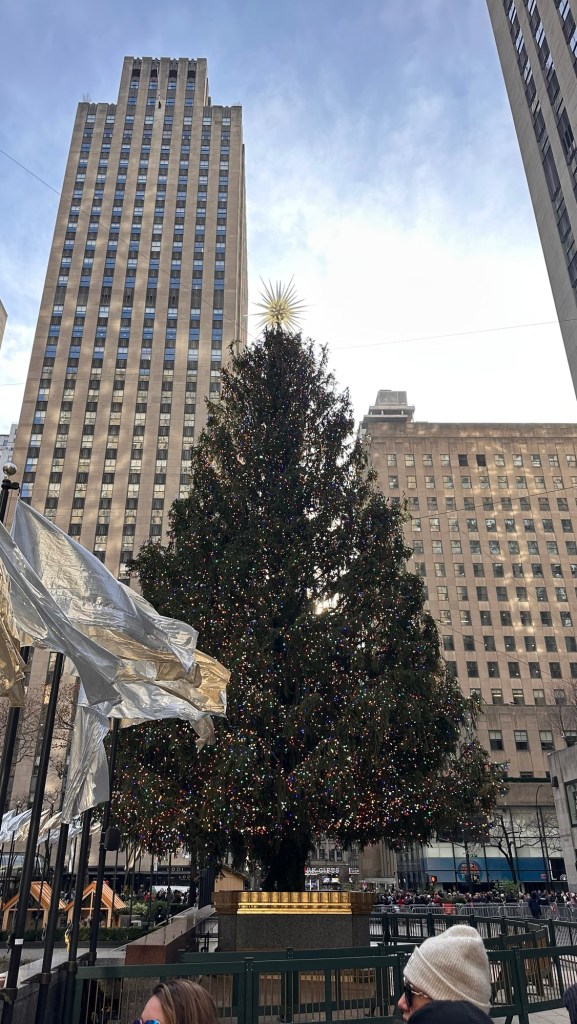
Most exhilarating walk – New York, anywhere but especially anywhere!

Never tire of it walk – Auckland Domain

Best walking city in New Zealand – Christchurch – a 3km loop on laneways, Victoria Square, New Regent Street. Or Hagley Park and the Botanic Gardens. Flat, accessible, close, beautiful.

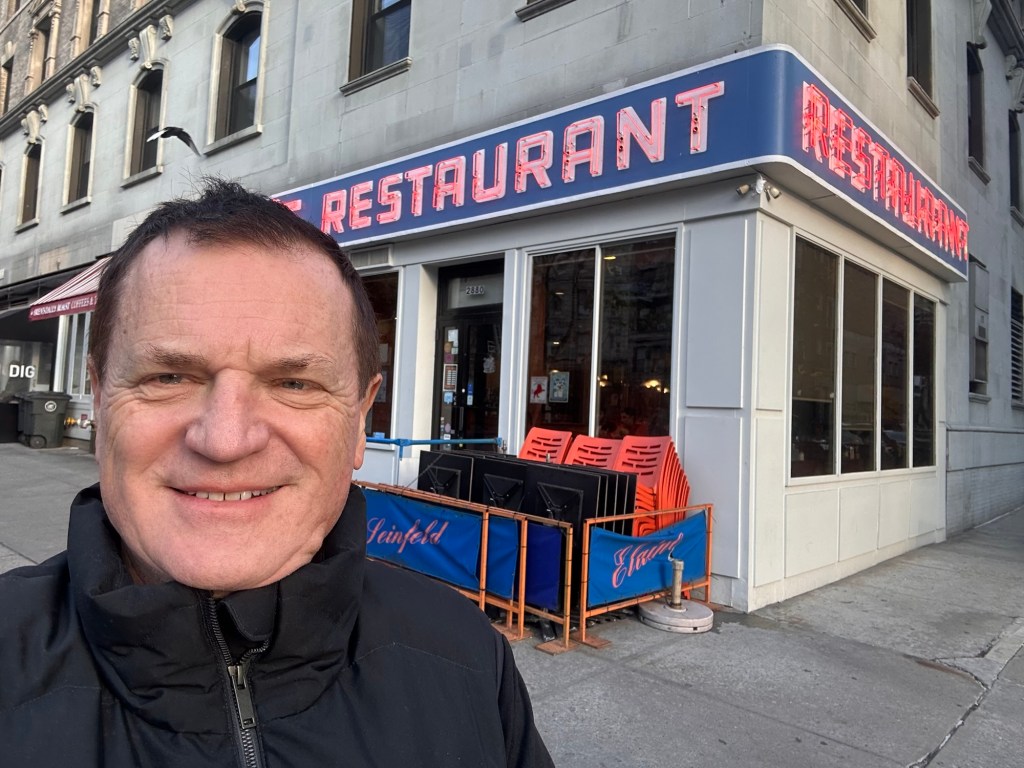
Best walk to a place that I’ve known for 30 years but never seen – Tom’s Restaurant (Seinfeld – below)

Wish I could walk there now – Cork, Ireland, to see my son and his family again

Walk that stopped me walking for a weekAuckland half marathon, blister special

Walk I didn’t do this year but want toAuckland Maunga, I did Mt Eden, but a 20km loop of 4 or 5 Maunga is a great outing

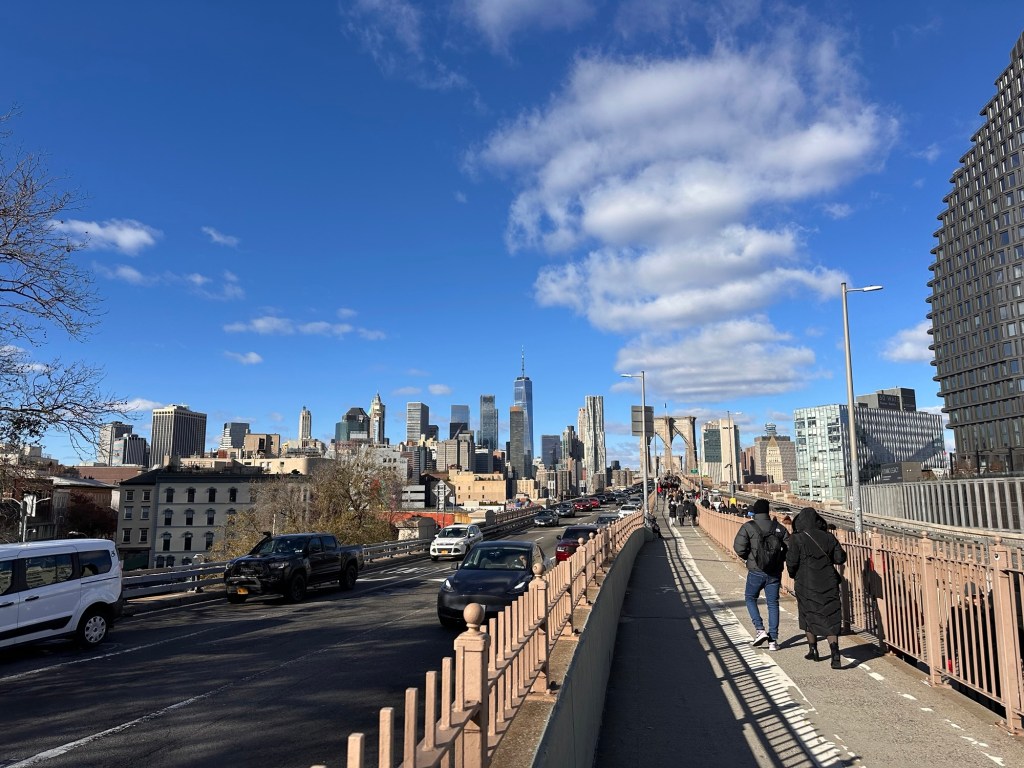
Thing I can’t stop photographing on a walk – Bridges – examples this year are Auckland Harbour Bridge, pedestrian bridge across the River Clyde in Glasgow (below, with my son Thomas), Queensboro Bridge NYC (in banner), Brooklyn Bridge (below), Bridge of Remembrance in Christchurch (I see it all the time but still photograph it with different lighting), and all the lighted bridges that authorities take the trouble to have designed and keep looking cool purely for aesthetic reasons.

Photos

Use of AI

Like my friend Kris N, HI only used in words or photos (I thought I just invented “HI” as a thing, but on googling, no I haven’t)
Kindness

Kindness

Traveling to Ireland to see my son Thomas and his family was a trip much delayed – almost by five years since the original planning – so it was a much anticipated. In Aotearoa we survived Covid as a community through a lot of goodwill. The rules put on us were followed because we mostly accepted them, even if sometimes we didn’t enjoy them altogether. The consensus fell away when the rest of the world connected and my perception is we’ve lived in a much more divided place. I notice it in micro moments, in traffic, in political discourse and in the unspoken interactions in everyday living.

Crazy traffic outside the hotel in Las Vegas after a four hour drive from LA, driving on the other side of the road. It turned out a concert had just come out – access to the carpark hotel was blocked and 30 minutes to navigate once around the block it was enough: “we’ll take care of it from here, you relax and check in, we’ll look after you” was the relieving narrative from the valet guys.

Rushing from the rental car drop off in the Uber to LA airport to catch the flight to London – anxious about timing: “don’t worry, we’ll get you there real quick”, and he did with help with the baggage onto the trolley too.

Heathrow is an enormous airport, one terminal seems multiples of any local airport. But my experience with four flights is one of kindness, staff checking and rechecking boarding passes for lounge access (first world issues!) and when checking an exception at security, it was warm and done with care.

The experience was repeated almost everywhere – hotel check ins, taxis, the Tube, bus drivers in London who took care to make sure they explained that the bus terminated at Hyde Park Corner – “there’s one right behind if you need to go further”.

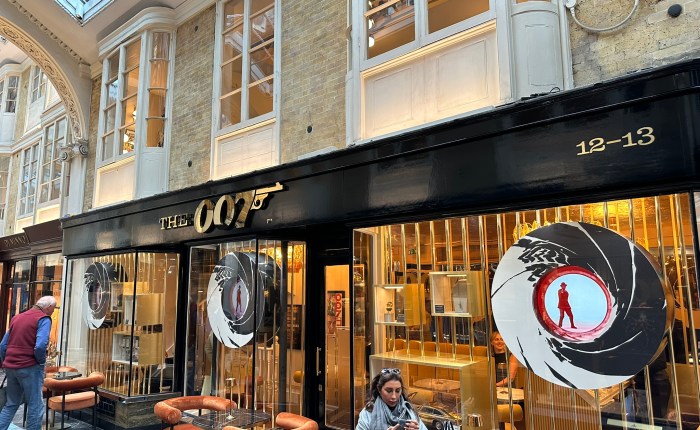
It’s the 60th anniversary of James Bond’s “Goldfinger” and the Burlington Arcade in Mayfair has been converted into a haven for Bond fans (me!) including a 007 Store run by Eon Productions – the Producer’s personal assistant during the filing of Skyfall manages the shop – and there’s a very cool bar included. Most people ordered only one drink – shaken of course.

Yes, they had commercial imperatives, but the level of engagement was extraordinary. We’re friends now!

Around the corner in Piccadilly is the jeweller Bentley & Skinner, suppliers to British monarchs since Queen Victoria and recently appointed to King Charles III. It’s also the setting of a great scene from You will meet a tall Dark Stranger and the Sales Manager chatted for ages about the filming, sharing a special moment with the stars of the film and meeting Mr Allen.

It was hard to leave to come back. I hope home is just as kind to me for the rest of the year!

Stephen

Flying

Flying

The first flight I recall going on was Christchurch to Auckland, visiting Grandma with Mum when I was about 4. I’m not sure why I got to go but I did, and it wasn’t the only time I flew to Auckland just with Mum. I remember there being a Viscount aeroplane and based on Wikipedia it must have been a Vickers Viscount 807, with 32 seats, although it felt quite large to me! Later it was the Boeing 737 on that route and then the Airbus A320 and occasionally A321. Grandma had a clock that I’ve recently had restored and written about again (I am sure my psychotherapist will have a field day with all of this). Anyway, back to flying.

I went for a period of anxiety with flying and really didn’t enjoy it at all, but out the other side some years ago it’s that easy flow feeling at the airport, on the plane and all bits in-between. Just don’t be late and don’t stress on delays or other first world inconveniences.

A Vickers Viscount 807 in Wellington 1971 – photo courtesy of Wikipedia

We’re very fortunate in this country with air services from one end to the other and for me nothing more that two hours flying for where I need to be. Of course, there’s more time involved – don’t be late for security because odds are it will be busy, be prepared for a delay every few flights – we live in a country of wild weather and anything can happen. But I try and be prepared – chargers, headphones, and the absolute least luggage possible. Ideally, only a carry on smallest type of bag if at all possible. And last but not least – I’m writing this to convince myself – leave the food and drinks. It’s awful how much you can consume between meals during the flying routine. If I feel I need to eat then I try and follow the nutrition advice to try and eat up to 30 different plant types a week – hard to do that with stew, rice and sandwiches on tap at the lounge, but easy with salad and fruit. I try anyway!

If you have something you want to do, that gives you a level of contentment – like for me writing a blog on here, but don’t have time, headspace or the energy after a long day – the flying journey can be ideal. If I eat and tinker with my phone it’s ok, just, but doing something meaningful in amongst the haze of the flying ritual is enormously beneficial. Looking around the airport lounge in Christchurch right now, the majority of people are on phones or screens (like me!), but some are reading books, catching up with calls to friends. Bringing meaning to a moment on the move.

Waiting to board the A320 at Auckland Domestic

I recently watched the new David Attenborough-narrated TV series Our Planet II. It’s got the usual lion hunting wildebeest (who knew it wasn’t spelt “beast?”), but the main theme is about movement. Sharks who swim thousands of kilometres to feed on Albatros chicks who crash land on their first flight. The Albatros that do make it don’t come back to land for five years. And Wildebeest that form the largest herd in the world and move thousands of kilometres through Africa in a constant search for food and water. Closer to home not far from my Auckland house there’s the Muriwai Gannet colony where chicks are hatched before migrating 2000 kilometres to Australia returning two to six years later to lay their eggs.

My flying seems more mundane and somewhat less existential than for the animals in the wild. But humans have always embraced movement, which I find a little addictive, and somehow energy and purpose giving if I follow my own guidance on the routines.

Stephen

It’s in your head

It’s in your head

I’ve been grappling a bit over the last couple of years with resilience – the concepts more than the actual thing (I think!). People talk of building it up, focussing on your wellbeing to make sure you are resilient, especially during this Covid era when uncertainty about work, health, travel, whanau is ever present. It’ll be coming up four years soon since I saw my eldest son, now settled in Ireland with children of his own, one I’ve not seen in person. There are thousands of similar, and far more challenging situations for many Kiwis. I’m thinking especially those who have lost their employment or had their earnings restricted from business, or who haven’t been able to say farewell to loved ones who have died. It’s tough. And resilience is needed.

I was out at my little piece of paradise this long Waitangi weekend, doing some cleaning up, after a big clean up – moving bits of old metal, some electric power line fittings – trees in pots that had fallen over and so on. I’ve been very cautious – one of my legs is not what it used to be and I’ve been looking after my resilience by protecting it, having others to do the hard graft, leaving me for such strenuous activities as watering and fetching cold drinks from the fridge in the container (should you leave it on? – I hope it’s alright!).

Something switched – maybe I suddenly reached a tipping point and got tougher, but I grabbed all the old metal, electrical fittings and some bits of timber and lugged them up the hill to the bin. Cripes it felt good. Then I did it again. Then I moved the plants back upright. Then I attacked the door to the bore shed that’s been jamming – fixed that.

I’m certain it wasn’t all in my head, I have been weaker, but it had got in my head and now it’s out and I’m free and strong to do what I can. Well that’s what it feels like – probably won’t make the Olympic team quite yet, but you get the drift!

Mount Taranaki

In The Mental Toughness Handbook by Damon Zahariades he separates resilience from mental toughness. He says Resilience:

“is the ability to bounce back from unforeseen complications. It’s the ability to adapt. For example, suppose you leave your home at a normal time en route to your workplace. Unfortunately, you run into expectedly heavy traffic on the freeway. This setback is sure to make you late for a meeting scheduled that morning.
A resilient person might grit his teeth and curse under his breath, but he’d ultimately adapt to this circumstance. He might seek a different route to his workplace, using his phone’s GPS feature. Or he may call his office and reschedule the meeting. Or he might compose an explanation for his tardiness that allows him to avoid others’ disapproval.

Mental toughness is a mindset. It not only reflects our ability to bounce back from unforeseen complications, but also demonstrates a positive outlook during the experience. It’s not just the ability to handle stressful situations. It reflects how we handle them. For example, a mentally tough person caught in unexpectedly heavy traffic might take the opportunity to listen to an inspiring audiobook. In fact, she might be pleased with her circumstance because it gives her the opportunity.”

Obviously there’s more to it in the book than I can relay here, but think about the times when things go wrong – do you see it as an opportunity? Or do you try and make sure the tracks are covered?

I’m not advocating pulling yourself up by the bootstrings necessarily but there is something to be said for thinking of the opportunity. But it’s tough. Mentally tough, but it might just be in your head as to which way you choose.

Resilience vs Mental Toughness. Subtly different.

Stephen