A Bombing memory

A Bombing memory

A day or two after the bombing of the Greenpeace vessel Rainbow Warrior 40 years ago on 10 July 1985, I was asked to join the police investigation team to “help with exhibits”. I was a young uniformed constable and had been noticed by someone up high as I had been fortunate enough to do 3 or 4 months of “CIB Secondment”, swapping duties with a seasoned detective (who was unimpressed as I recall). During that secondment period I’d worked on the Auckland enquiries of the Wellington Trades Hall Bombing, a crime unsolved to this day (I hope it wasn’t my fault!).

I took the grand title of 2 i/c exhibits and regarded myself then (and now) as the most junior member of the 66 strong investigation team on the Rainbow Warrior investigation. Bits of sodden objects from the ship and pieces of the its hull were catalogued, labelled and logged into the Whanganui Computer’s exhibits system. All green and grey screens and moving between tabs like a 1980s game of Loadrunner. Using a computer system to log exhibits was very new, in fact it was only the second time the module had been used. We took possession of the Zodiac boat, diving tanks, and dozens of receipts for daily living found in the campervan along with hundreds of other items. Giant drying machines operated 24/7 to dry out the sea soaked items.

Somehow, when the exhibits stopped coming in and didn’t require much attention, I got to stay on with the much smaller investigation team while we refined the evidence readying it for trial, closing loose ends. I completed a tour of Northland, logging the spots in the Kaipara Harbour and further north to identify where the two agents had travelled to and taken photographs that were found in the campervan. I was fortunate to be able to board and view the ship while it was in dry dock at the Devonport Naval Base.

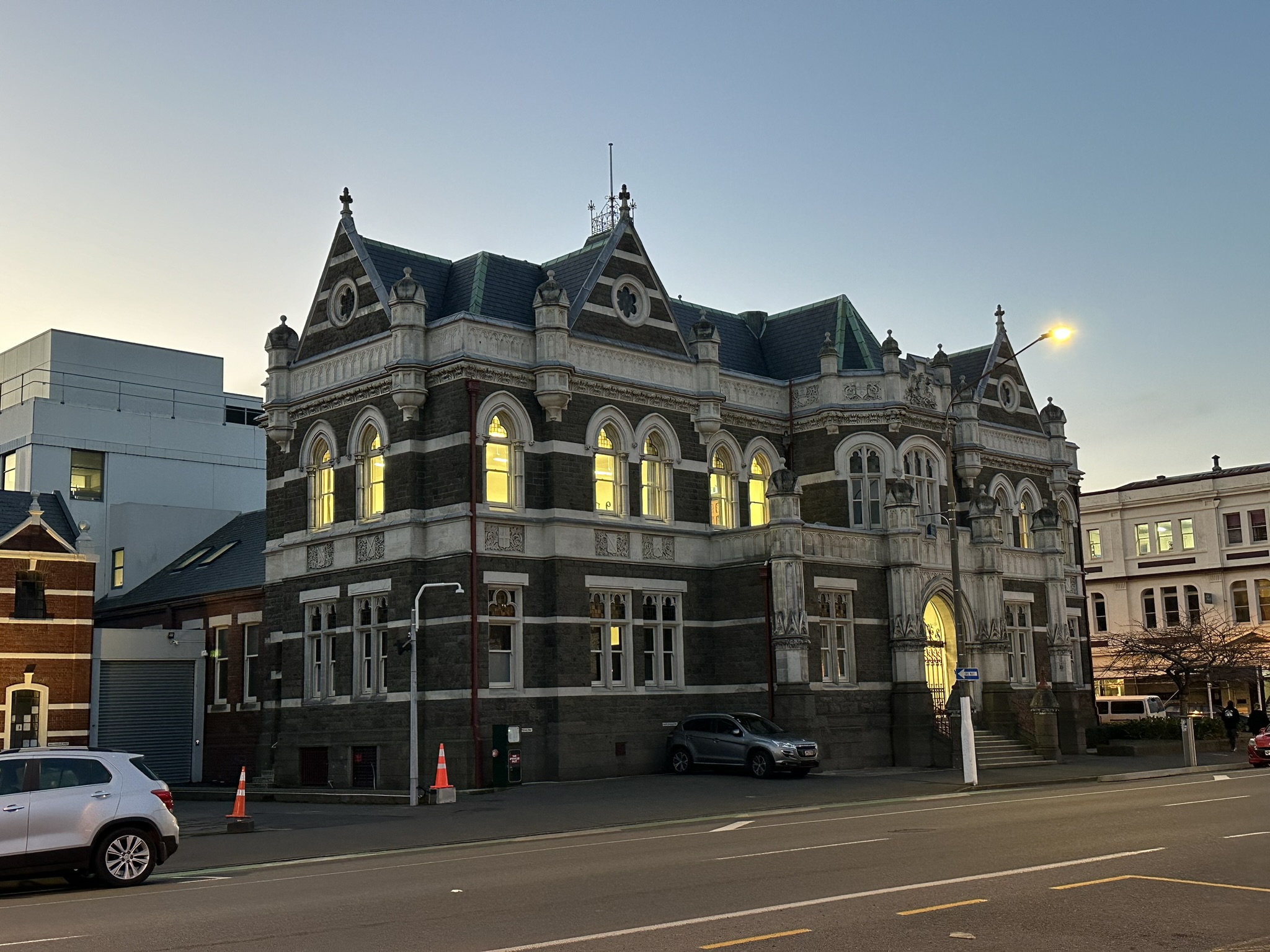
I marvelled at the diving gear, new and abandoned, and appeared on the front page of the New Zealand Herald with the outboard motor from the Zodiac. One of the final acts was going to court for the depositions hearings (to be held at the specially reopened old High Court building in Waterloo Quadrant) to discover at the same time as members of the public that a deal had been done for the two agents to plead guilty to manslaughter, the Crown withdrawing the murder charges laid.
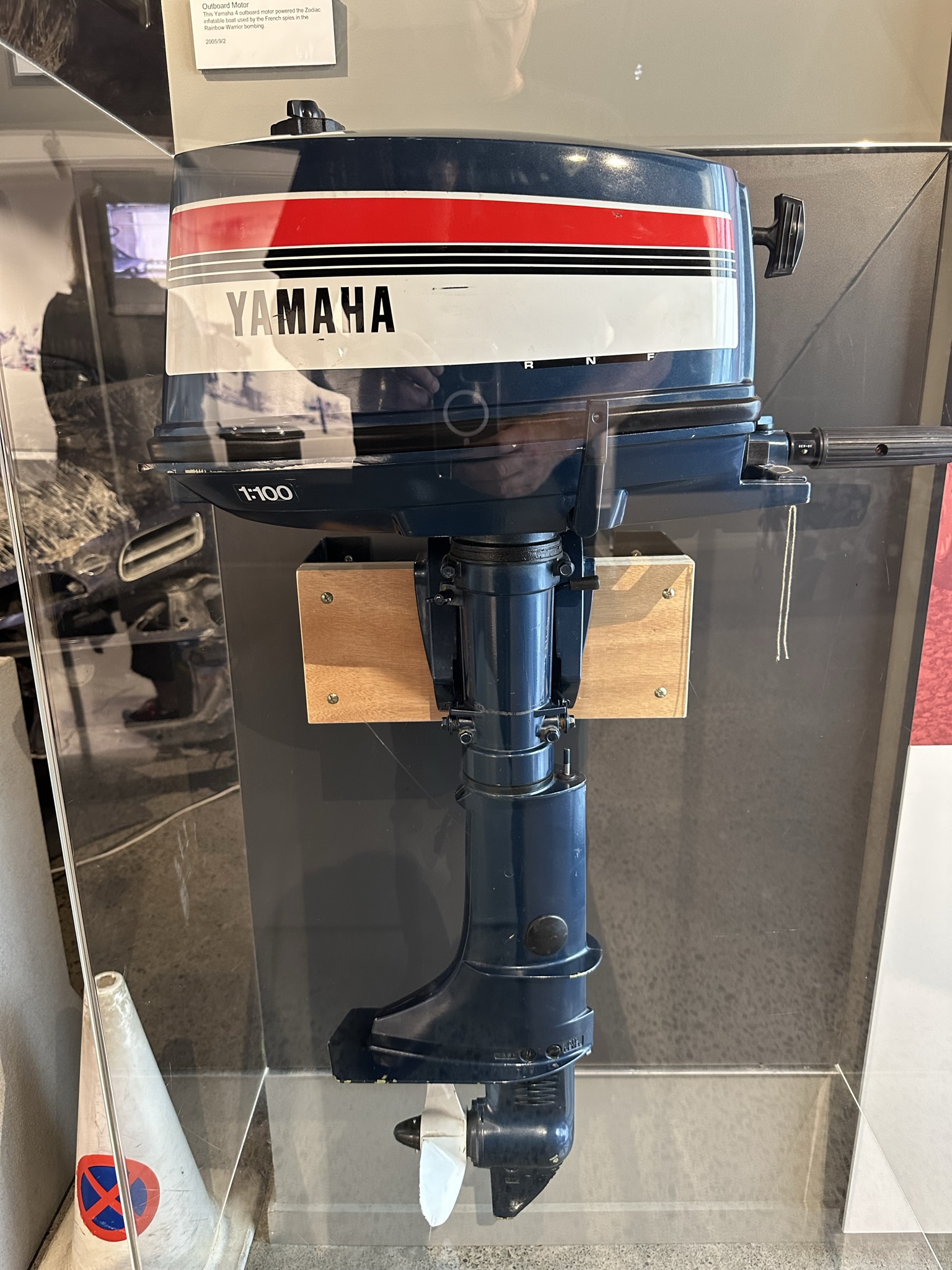
The Outboard motor from the Zodiac used by the agents who planted the bombs on the hull of Rainbow Warrior. Now at the Police Museum.

I didn’t return to full time uniform duties. It was CIB from then on, and then Serious Fraud Office. Cops love to claim successful investigations (“that was my job” you’ll hear) and this was by no means mine, but it was a deep learning experience and shaped much of the investigation work I later and still do. How to manage exhibits, chain of evidence, looking at evidence dispassionately but considering context – only a civil servant would keep receipts like that for claiming it was said – which was correct of course, and what it means to turn over every stone.

As I read this blog back just now I realised I had gone back in time in my mind, with many of the details from this period as fresh today as they have always been. My purpose in this blog is to reflect on a period of learning that shaped me during a historical moment. But I have never forgotten that a man died – Fernando Pereira – who should have recently turned 75. I hope that those who cared about Fernando are at peace over this tragic event.

Stephen

Photos: Banner AFP Photo:Patrick Riviere, Outboard Stephen Drain

One big thing (in a classy city)

One big thing  (in a classy city)

When I travelled in my Fiat 125 from Christchurch to my new home in Dunedin as a newly minted Police Constable in the early 1980s, it was the beginning of life long affection for the Edinburgh of the south. Three of us new Constables got “posted” to Dunedin after a year as a police cadet.

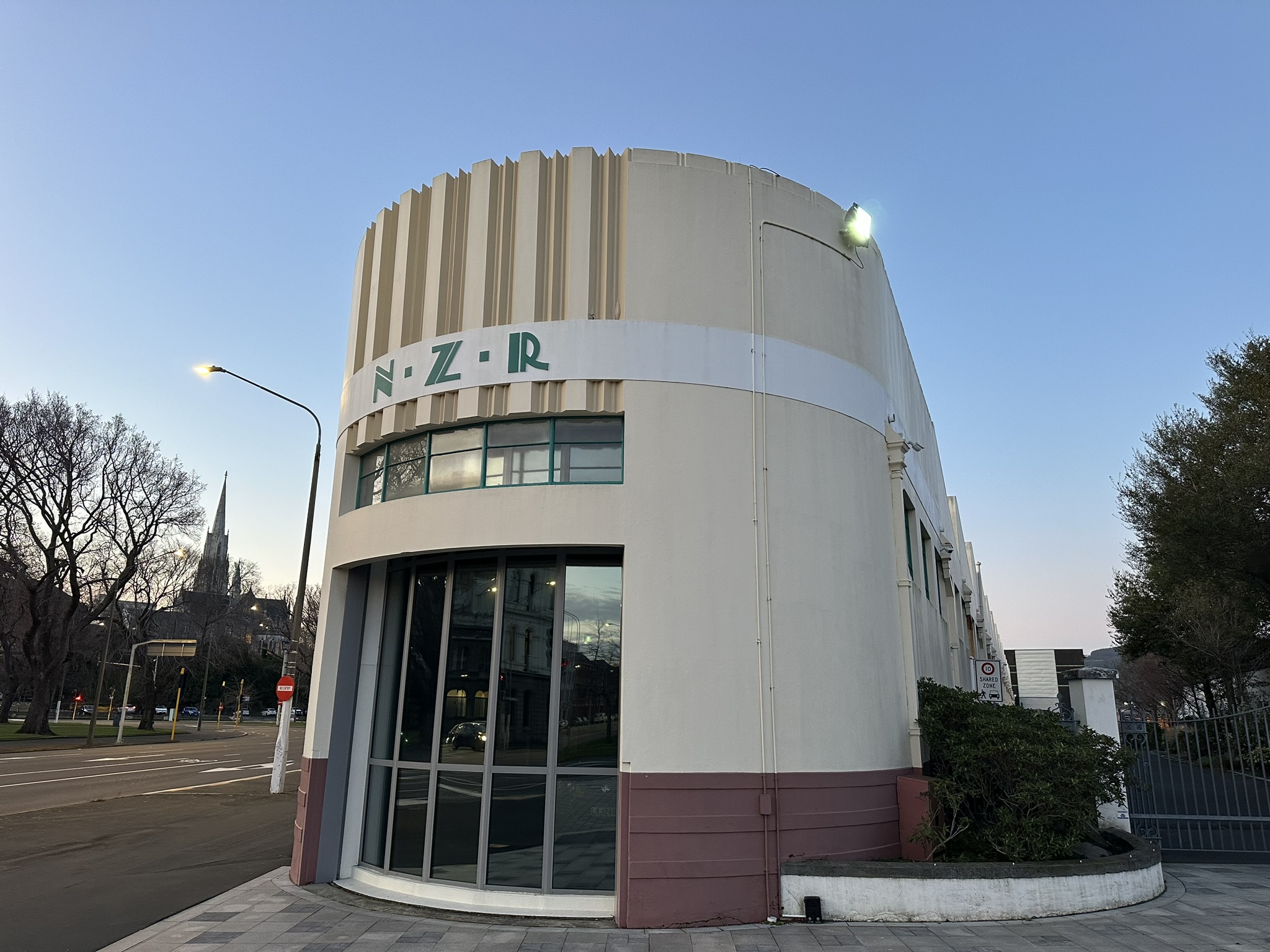
Dunedin’s historic Railway Station

One of my colleagues then is still one of my best friends (top 2 rating!) and we flatted for the first few weeks in his mother’s house while she was visiting family in The Netherlands. Then it was boarding with Mrs Martin, who was a regular landlady for new police officers in the southern city. Only downside was the Saturday cook-up of tripe. But she understood nightshift and the need to sleep during the day.

Bridge over the railway next to the historic Railway Station

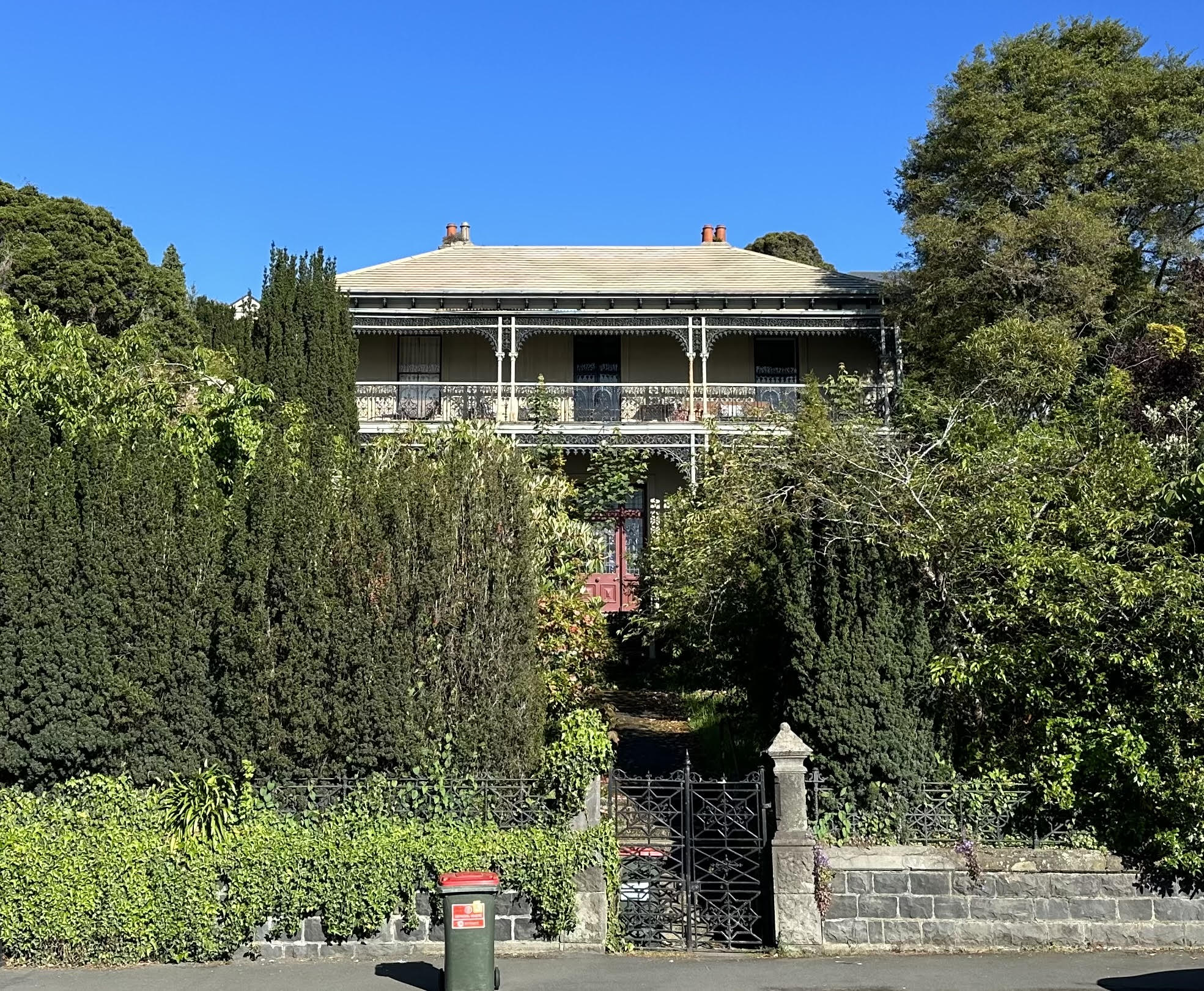
When I walked up George Street on a crisp evening recently I stopped at 521 – a historic home – where I rented a studio apartment from a local biology professor after Mrs Martin. The home was beautiful and he had divided it into charming apartments whilst keeping the structural design including an elegant ballroom, for common use (although it seemed too good to hang around in for some reason). It’s looking a bit unloved and appears to still be in several flats.

521 George Street

The next morning we spend half a day with a great group of leaders who we’ve been working with for the last few months – developing a new and authentic leadership for the individuals and company. We’ve had story-telling, 360s, a psychometric assessment, and lots of small group work and feedback. Today was about OBT – the one big thing that the leaders have honed to the leadership development opportunity that is going to make the most difference. Something new to work on.

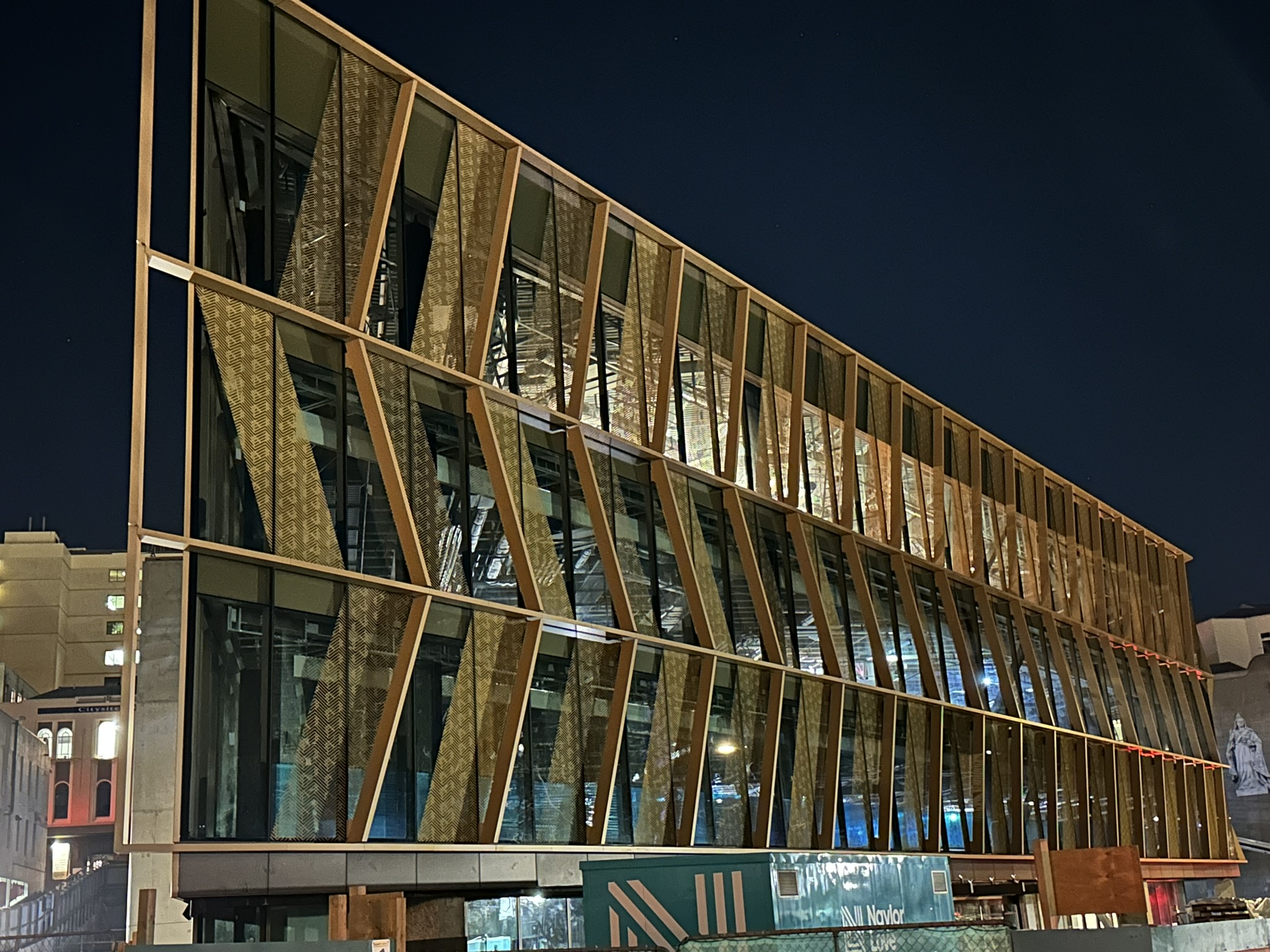
Contemporary office building development by Ngai Tahu
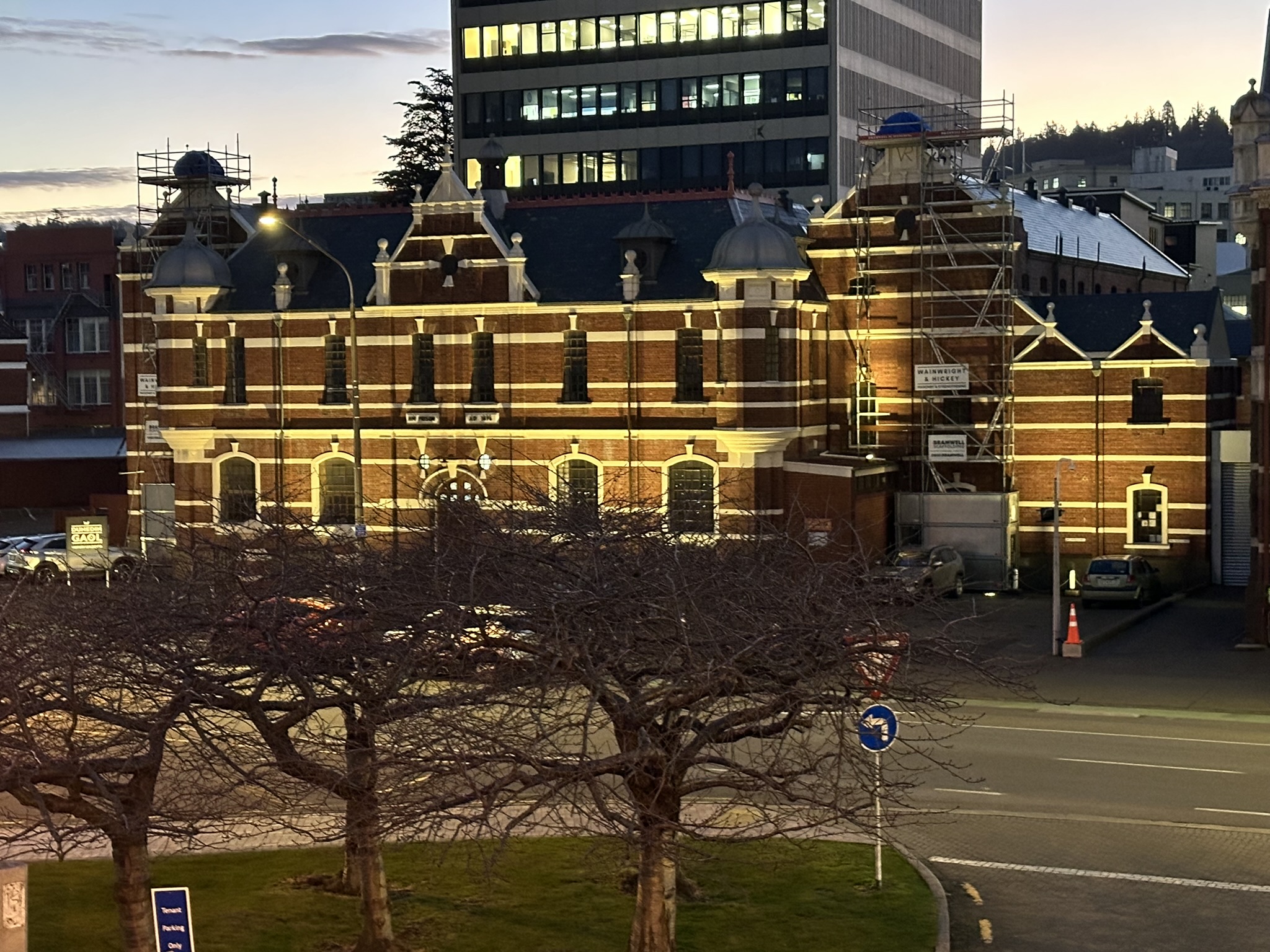
The former police station where I started working in 1982

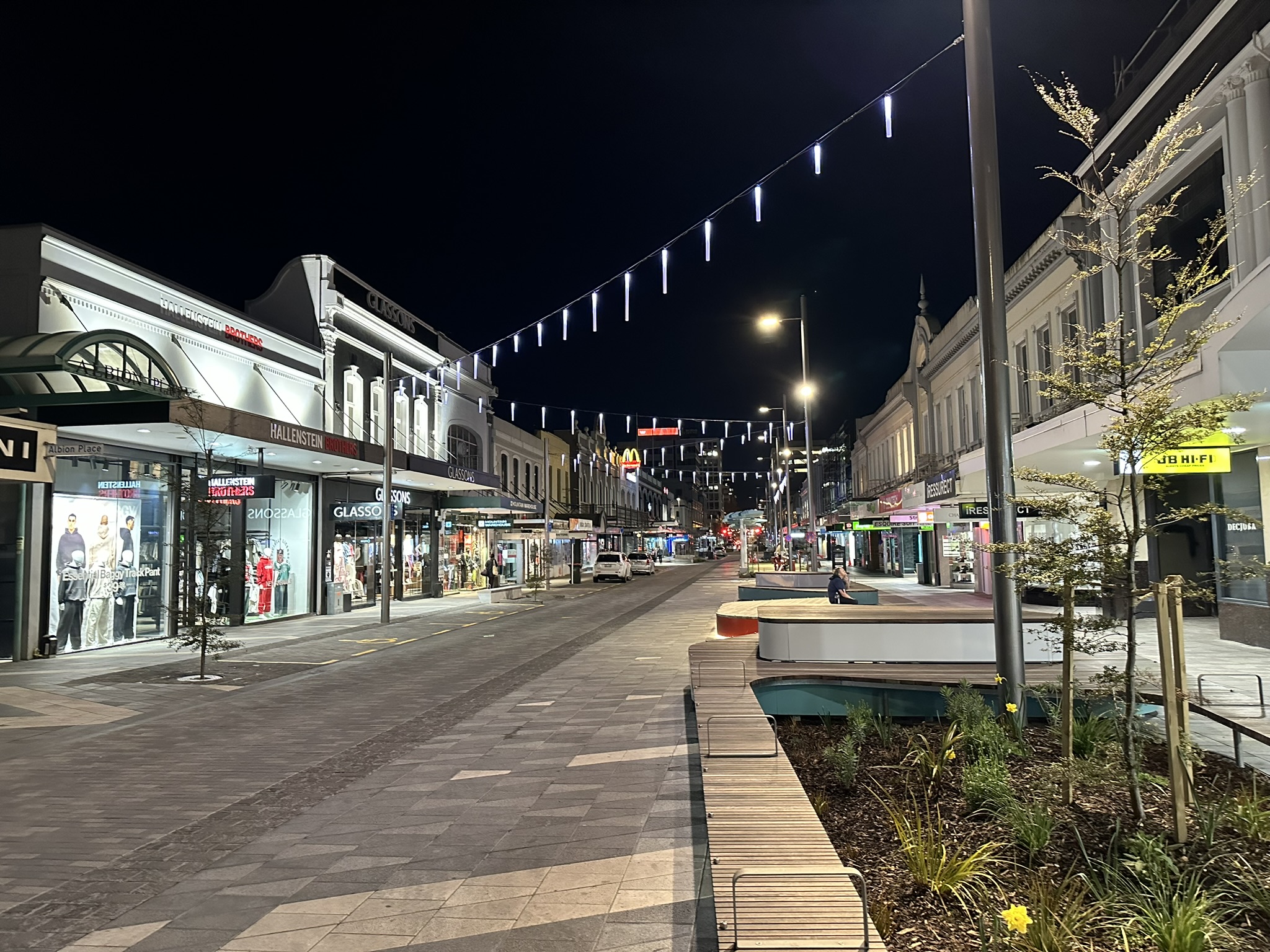
As I walked past the old police station on my evening’s walk  – now returned to its former glory as offices, I was struck by how fabulous the city looked. Clean, accessible, and stunning architecture, much of it restored. A new precinct in the main street George St – the retail quarter – has a modern pedestrian and two wheeled zone. And grown up playground equipment. Love it!

Giant seesaw as part of the redeveloped George Street retail quarter

Some of our leaders are focussing on bring the right attitude to work – bringing joy and positivity to a world that, right now, can feel pretty tough. Not in a “smile and it will be all good” way, but in an authentic and empowering way that builds trust and working together with care.

I sent some of my photos of the evening’s walk to my friend and former police colleague, now resident in Melbourne for many years. He still has connections to Dunedin – a brother who lives next door to his late mother’s house – where my journey started.

His text back to me read “Dunedin is looking exotic and prosperous. And clean”.  I agree.

And fun too – that seesaw is a must try!

Stephen

Notes:

  • Ōtepoti is the Māori name for upper harbour area where Dunedin city was developed.
  • Dùn Èideann – Scottish Gaelic name for Edinburgh
  • More photos from my walk:
Entrance to the Chinese Gardens reflecting Dunedin’s association with Chinese immigrants dating back to 1866

Labouring

Labouring

In endeavours to obtain a Code Compliance Certificate for my house, men spent time in January under my deck reshaping the ground and applying hard fill to comply with the requirements of the Building Consent. It was a  week of those 28 degree days, full sun, and not a lot of breeze. All I could do was supply them with water and a few Coke Zeros, although they looked like a hit of sugar might not have been a bad thing with the heat and exertion.

I felt slightly guilty asking that the soil removed was placed some distance away near my burn pile. But I was paying by the hour I told myself as I supplied more fluids!

During that same week I had some students via Student Job Search (SJS), clearing grass and weeds and further developing my small bush walk. When I purchased the site where I recently built I hadn’t realised that an area of bush, north of what appeared to be the boundary fence, was in fact part of the property. It was overgrown with bramble, but on investigation I could see that it contained a number of choice natives – flax, cabbage, Nikau, Totara, along with Manuka and Coprosma. 

I had an extended break over summer – refresh leave which was once called a sabbatical – most of which I spent at my rural property. A notebook I keep of activity on the property lists 25 mini projects under the heading “Summer 23-24 – SJS Tasks” including estimated and actual time involved. Learning: most things took two to three times as long as estimated. For example “1. Clear around Septic Tank” the estimate was two people for 2 hours. Actual time two people, 8 hours.  I got stuck in too, both before the students started, during, and after. The during bit was the best. Energetic young men, mostly half my age, who seemed to be able to just keep on going forever, making progress that I could only dream of on my own. Keeping time records of projects was very instructive for future maintenance. It also brought home some home truths. How did I take six hours to lay five railway sleepers to create a small path?! Amateur with a spirit level.

Back in 2020 when I had portion of my right quadricep cut out I was told I wouldn’t ever walk up the local Maunga without assistance. That was proven to be incorrect, but I haven’t felt the same strength – nothing in particular – just not as strong as I once was.

Labouring helped a lot. It hurt, but it hurt less as the days and weeks went on and after a while I realised I was feeling stronger again. More confident to lift, move, dig. With that brings freedom of choice and confidence that a larger rural property is manageable without having to pay for everything to be done.

Building and retaining muscle is incredibly important as we get older and in world where mental resilience and fitness is emphasised it’s been a big learning for me. A true sabbatical and if you need a tree planted, I could be your guy!

The reward of having my own native walk has been big. I find myself in there all the time – transplanting baby Totara, weeding by hand, clipping to keep the path clear and just really enjoying my very own forest walk.

It’s a year ago today that a state of emergency was declared for Cyclone Gabrielle. I wasn’t unscathed but relatively speaking got off lightly. As I type I can see a large Manuka tree in my bush, that was cut off at about the 8 metre mark in the storms.

Get Strong.

Stephen

Notes:

  • There are over 90 species of Coprosma with over 50 found in New Zealand. 
  • I lost some big Manuka trees in Cyclone Gabrielle which finally got removed and converted into firewood, and a batch of several dozen self-seeded baby trees have taken their place.
  • The walk is part of a planned work around my 4ha and my big plan is to extend the walk to neighbouring properties if I can
  • The 25 projects aren’t all done yet, but there’s others too, some I have managed on my own
  • I’ve got more to say about the students another day too – they were amazing

A year in the country (sort of)

A year in the country (sort of)

A year ago last week “Practical Completion” of my new build allowed me to insure my new home in the country and move in. It was the day of Mum and Dad’s 70th wedding anniversary so a big day all around. Quite a few things didn’t work – automation is a great thing until it’s not – but it was (and still is) sparkly and the views are really quite special. Lots of green, some sea, more green, farms, some livestock, and green. Oh, and gorgeous sunsets.

There seems to be two types of people in the country where I am – locals, who wave like I’m their best friend – and everyone wants to help – they really do – but most of the people waving are strangers who wave when I’m out walking. Then there’s those passing through to the beach, generally in a big rush to get there very quickly and then relax quickly I assume.

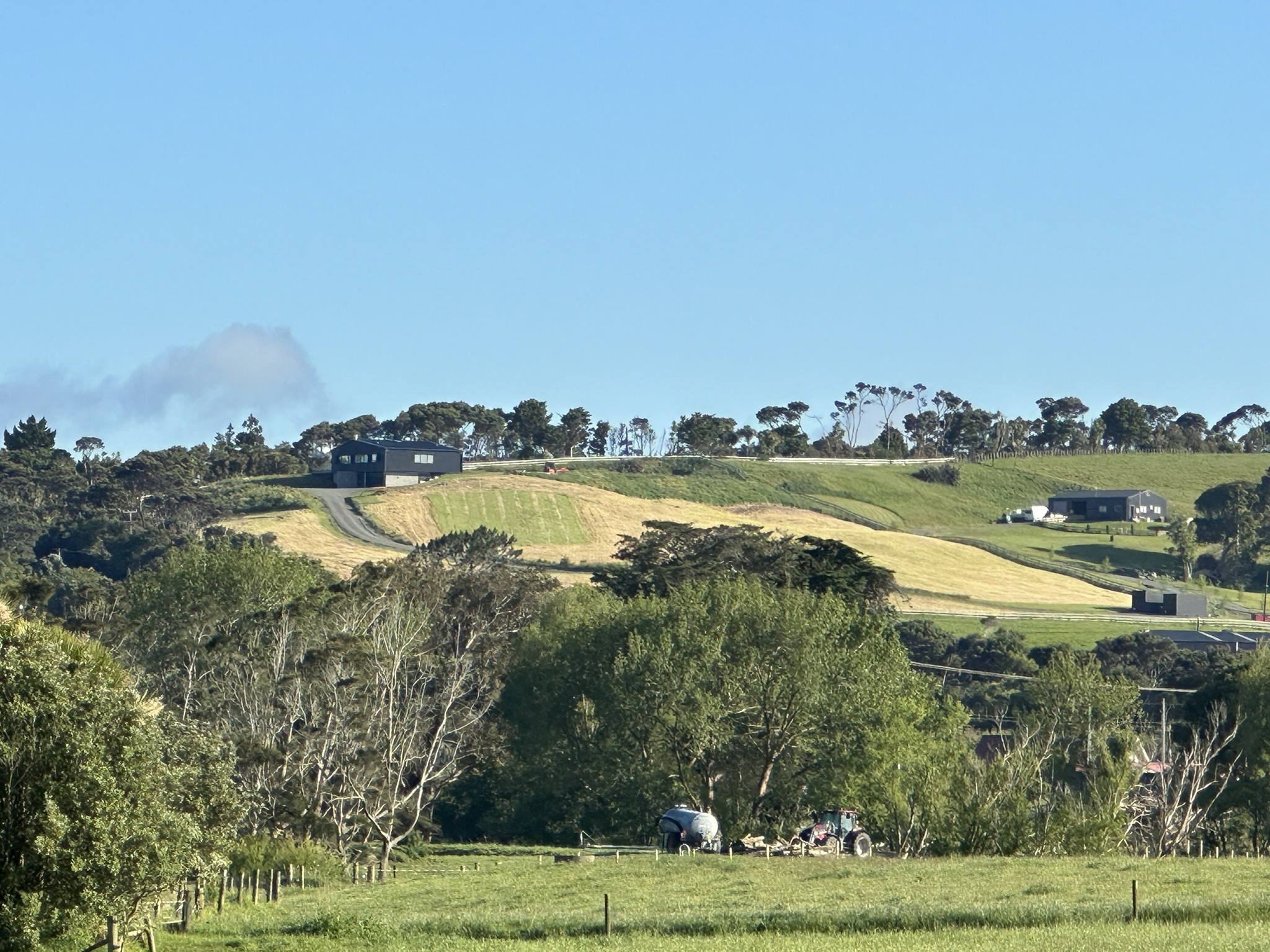
I didn’t really realise but building on the top of hill with a valley below has features in the country you might not necessarily think of. Or maybe I was a bit naive. Everyone can see you! Well not me personally or close up (I hope), but the house, what I’m doing on the land, and whether I have visitors. Walking and looking back up at my house it sticks out a lot more than when I’m looking out. And it’s not a massive house by any measure, but noticable.

They’re watching what you’re doing Stephen” my local friend and farming advisor Philip tells me. “Watching what?“, “Well they like what you’re doing, making that land something, the planting, the silage and that sort of thing“. I hope they like it! Being a silage farmer isn’t exactly the sort of earning you might give up your day job for. More like getting paid (eventually) an amount that is similar to what you might pay to mow the grass.

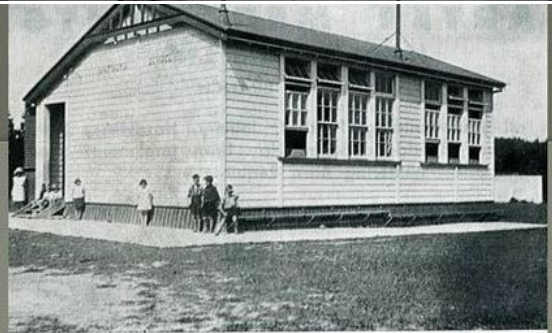
As best as I can tell the last building to inhabit my site was a school in the 1940s, so I guess it’s something new. Building a home and making it just right seems to be a forever thing. Firstly, getting beyond “Practical Completion” to the elusive Code of Compliance Certificate is a topic for another day otherwise this blog might turn into something slightly less friendly! In the country on a little bit of land – yes everyone told me – it’s never done. Not like a satisfying few hours in a city house where the garden can be brought into shape, with time to wash the car and hose the driveway for good measure on a Sunday afternoon. Nope, it’s a journey.

And I’ve had to get my head around not every corner is always as I want it – in fact no corner is really. But I’ve got a massive list of mini and major projects and I just get at them when I can – one step at a time, and I can see a difference. I remember attending a session at Cornwall Park on their 100 year plan once and the vision that the designers have is awesome. I’m not that grand by any means but having a master plan has meant progress is actually not too bad, and helps me to relax about the bits that still need attention, or won’t get done until 2025 say.

The country – you can see further, and you need to think further too.

Stephen