Day 13

Day 13

A lucky day for me, being born on a 13th but not so for some, or so it’s said. Friday the 13th, 1307, legend (only) has it, is when the French King ordered the arrest of hundreds of Knights Templar, to steal their resources. It’s also 13 guests at the last supper, one of whom was a traitor.

Today was lucky for some. More people in New Zealand recovered from COVID-19 than were diagnosed with it. And the numbers of new cases has dropped again, but early release was unlikely.  Seemingly unconnected, the police declared in a new interpretation of the law that they had a lot more power than previously thought – to enter property and so forth – if that had reasonable grounds to believe bubbles were mixing!  You’ve got to laugh, really. But the reasonable grounds provides a check, a self policing check that is open to review, but nonetheless an important check.

Little Kids Having Fun Outdoors

Overseas, in the UK, the Prime Minister Boris Johnson was admitted to Intensive Care, which has to be concerning, while the Sussexes competed with that news, and announced their new charity, telling the media, that they felt “compelled” to release it now.

Given half the world is compelled to stay at home, you’d have to wonder where that compulsion came from, right now. But that’s a part of life that was weird long before COVID-19 came along in December last year.

I read an excellent article today comparing the impact of World War II with the current situation. It seems trite in terms of global impacts, deaths etc, but it compared the business transformation that the war brought to many American companies, with what might be possible now.

In small ways, we can see already that for knowledge workers, the ability to work remotely at scale, is both achievable and in many ways, helpful. We might not require all the space, or type of space, that we’ve had before, or many of the other tools of our trades. There’s new questions we hadn’t even thought of before, that need answers. One of mine is if my breakfast bar stool that I use for work, which has started squeaking, can be replaced during the Lockdown. Probably not, but seriously we knew that working remotely is possible – we had all the tools – but looking back, already we can see how timid our prior attempts have been. Do change resisters rule the roost during times of prosperity?

Yes, prosperity. Who knew that a month ago we were in a prosperous economy? You barely know it when it’s there, but you soon know when you’re not! The speed in change and the enforced nature of the change are the differences in this crisis. We’ve gone from prosperity to crisis in days, as a consequence of the government closing us down. I’m not aware of this happening before.

So, now is the time to make the changes for the new world, that we’ve been too timid, had too much resistance, and had excuses not to do, even though it was the right thing.

Virtual bubbles unite!

Stephen

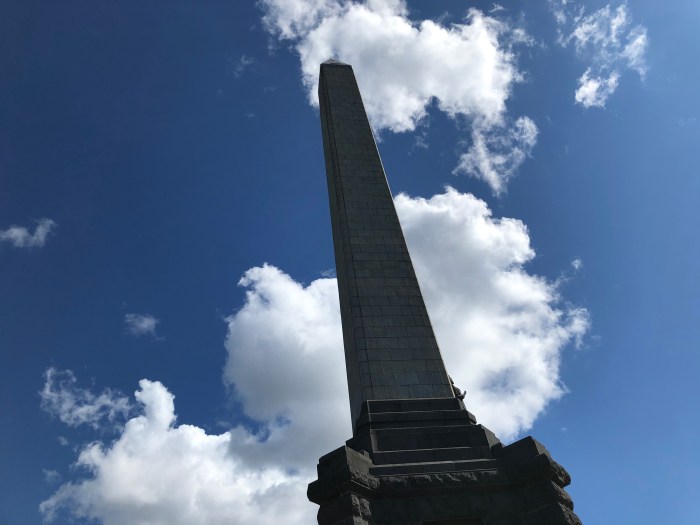
p.s. In searching for a Knights Templar stock photo I noticed there were 13 pages of them!

So I chose a Last Supper theme, ever hopeful we might be out of our cave soon. It’s from Prague – The fresco of Last Supper in church kostel Svatého Václava by S. G. Rudl (end of 19. cent.).

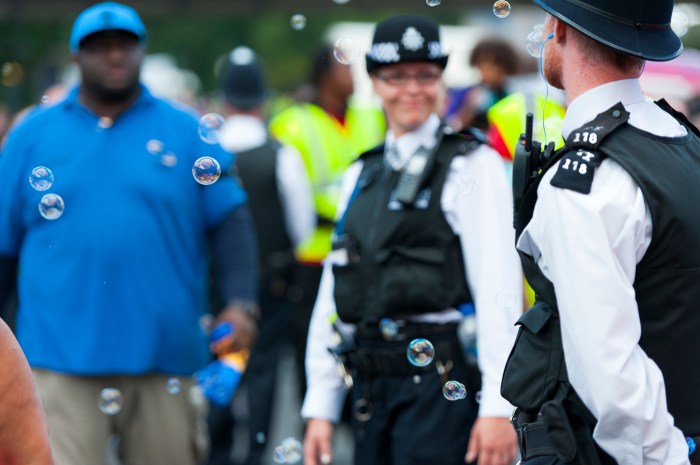
And just for fun, if you’ve made it this far:
iStock-458256121.jpg

Day 12

Day 12

Settling in was the feeling today. We’ve had two weekends and it’s the third working week we’re in. After my walk this evening I felt quite tired again, not sure why. Have I got Daylight Savings around the wrong way somehow!?

I suspect it’s running on adrenaline for too long, but it could also be all the walking – don’t tell anyone but I have got quite a lot of exercise done – or should I say more regular exercise during the lockdown. Even lost some weight!

Over the weekend I noticed lots of walkers, runners and cyclists out and about, enjoying the great weather in Auckland and getting their essential Lockdown exercise. Walking past the Olympic Pool in Newmarket a bus pulled up and the driver exited. I joked that it was a busy day on the bus today. “No one at all” he said. I commented that you can only get in the back door, and so I assume you can only use your Auckland Transport Hop Card. He told me there were three ways of travelling: If you’re an essential worker, it’s no charge, if you have a Hop Card, you swipe it, and if you haven’t got a Hop Card, you “just take a ride for free“.  Weird times we live in. Even weirder than the payment options, is where do you go, and when you get there what do you do?

Which is more or less what we’ll be asking in 16 days and a bit. We were told it was a minimum of 4 weeks and I’m picking it’s unlikely we’ll be free earlier, until all likelihood of risk is eliminated.

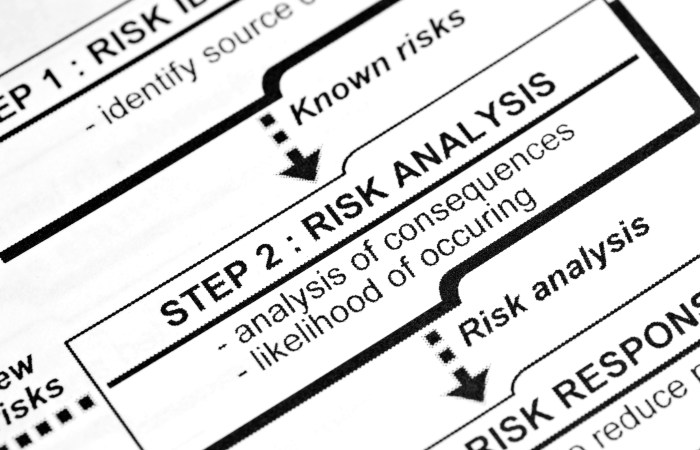
When we assess risks in almost any field that I am aware of we assess Likelihood of the event occurring and the Impact of the event (virus in this case) should it occur. So in assessing the risks of COVID-19 it is firstly necessary to assess the likelihood of the virus spreading.  So if nothing is done to mitigate the virus there is probably a strong likelihood that it will enter the community, obviously really.

One would then look a the actual impact. There seems little doubt that there is harm from the virus. In studies I have read, acknowledging that there’s still lots of research to be done, some general themes appear:

  • Most people suffer mild symptoms.  One Chinese study put this as high as 80%. This must mean that there are many more cases of COVID-19 than the records show, I would have thought. I wonder whether the figure is exponentially higher, globally. But that’s my speculation, but if it’s the case, the death rate is much lower.
  • The death rate increases by age. Although there was a media report recently of a 5 year old dying, it hasn’t come through in the statistics, and subject to that, the death rate for ages 0-9 is zero. By far the greater risk of death is to those over 60-70+ and those with underlying medical conditions. This BBC article suggests that many of those that died would have died from something in the short term anyhow, and argues that to attribute those deaths to COVID-19 is not realistic.  That sounds harsh, but everyone dies of something, and if COVID-19 is the final trigger, it paints a different picture of harm. Be that as it may, patients with cardiovascular disease are much more likely to die, so if you’re 75 with heart disease you’re at high risk of serious harm. Of course, death is not the only harm – being on a ventilator, struggling to breathe for an extended period is not exactly a picnic.
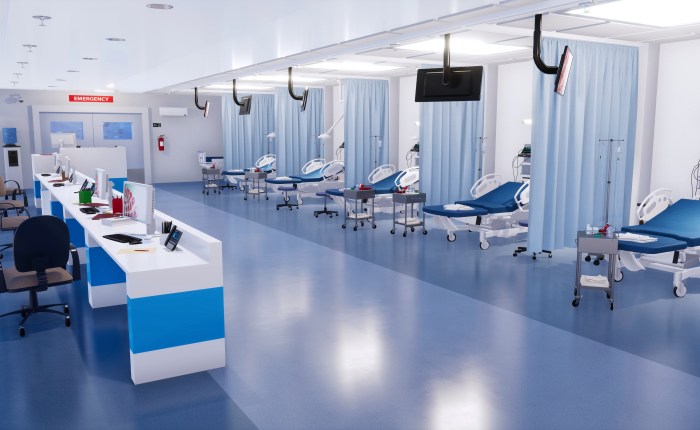
  • There are non-medical impacts too: If there were many cases, we might not have enough medical resources to manage it i.e. beds and personnel.

What we’re hearing a lot more of now is the economic impact of the Lockdown which, on the face of it, has tackled the risk by ensuring that virtually none of the impacts – barring a very small number of exceptions – have come to fruition. And this is where it gets really complicated.

Early information released was that there was the likelihood of 80,000 deaths in New Zealand alone, then it was adjusted to 14,000, then back up to 20,000+.  I doubt that many people think now (or even then) that those figures were even remotely possible, given the relatively small global death rate – I say small because it’s never going to get anywhere near the 1.8m people that died from the Spanish Flu in 1918, and might be within the ballpark of the 150,000 who die each year globally from influenza.

Taking an approach that has virtually eliminated all harm in New Zealand is attractive, but all risk decisions have winners and losers.  In this decision there are a probably relatively small number of winners (we may never know) and many losers, in economic and social terms.

Leaders make decisions on risk daily. No decision is perfect and leaders know that you can’t eliminate risk completely – be that regulatory, economic, timeframes, Cyber protection, or the myriad of other things that need to be assessed for risk. But there will always be risks that leaders determine the impact of is just too great to bear, and will take maximum steps, at the cost of other activities, to eliminate that risk. Physical workforce safety is one of those things.

Whether the virtually complete elimination of the impact of the COVID-19 was the right thing to do is a judgment call made by the Country’s political leaders. We won’t know whether the consensus that this was right or wrong until much later, when the economic and social impacts – the new harm caused to eliminate the virus harm – are properly known.

But I do feel more relaxed about it all having lightly analysed a decision making process!

And that could well be my longest blog – way too long – sorry about that!

Stephen

Day 10

Day 10

Double digits! 18 days and 1 hour to go. Maybe.

The rates of infection have levelled and there was hope today that we’re on the right track, meaning we might be able to reduce to Alert Level 3 in 18 days, and one hour. It will be a welcome relief but will not be enough for business to get back to where it needs to, to be productive. Business needs level 2.

I missed some things today. I missed a weekend breakfast in the Cafe on the ground floor of my apartment building. I missed the hum of activity in the city. In global terms, Auckland is a small city, but in New Zealand it’s large, growing and active 24/7. It felt sad that the energy, dynamism and production has been stalled.

I got out on my motorcycle today, to clear my mail – that’s an essential service activity right? – and to get some supplies from the supermarket. It was great to be out on two wheels again and was pleased I hadn’t forgotten what to do!

I also got out for another walk – it was a gorgeous day – and now I’m pleasantly tired from physical exercise.  The Maunga of Tamaki Makaurau are great for the heart!

OTH

Not everyone is so relaxed though. Unsurprisingly tensions are flaring in supermarkets, although not where I’ve been. A person is set to appear in court after punching a supermarket manager in Warkworth. When it was first said we’d be able to get out to the Supermarket, my original plan was Warkworth, until the concept of “local” was put out there. Fortunately for me, as it sounds like a hotbed of frustration.

And there will be a lot of frustration. The housing crisis hasn’t suddenly gone away. They’ll still be large families living in homes that are too small causing untold pressure. They’ll be abusive adults with young children. Tragic, especially when you consider that not a single child under 10 has died, anywhere in the world,  from COVID-19. Who will be the first to say that this thing is a Boomer* thing? They’re the ones at risk, along with the Silent Generation. The economic and social victims are younger.

A warm message from the incoming Police Commissioner, who like his predecessor is taking a realistic Kiwi stance: “We allow people to undertake exercise because that actually is healthy for people, and this is hard. People are stuck in their homes and we’re only in the first week, so we need to be sensible about this.”  Empathetic Leadership.

Enjoy the extra hour of sleep tonight, and if you didn’t get it, enjoy a long day!

Stephen

*Baby Boomers were born after World War 2, 1946 up to 1960 although sometimes it refers to people born up to 1964. The 1960-1964 are “Confused Baby Boomers”. The Silent Generation are people born from 1925 to 1945. As far as I am aware there is no scientific or research basis for the generation descriptions and behaviours, which often surprises people as it’s spoken in common language as though it’s a thing. The only thing are the dates, all behaviours attributed to a generation are without a foundation.


Day 9

Day 9

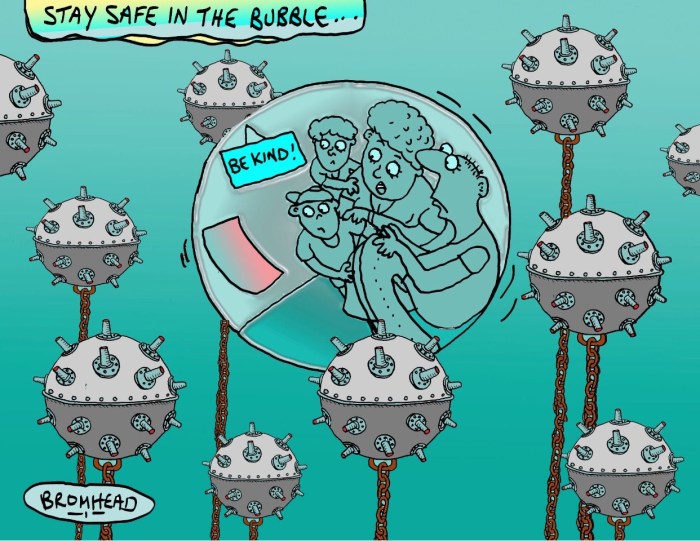
We’re all bouncing around in our bubbles in anticipation of the weekend. So what better way to start the weekend than with a Day 9 Cartoon? It’s fresh off the press, with full credit and thanks to Peter Bromhead, New Zealand’s pre-eminent cartoonist.

Image-1.jpg

Some milestones today: the first full work week ended, end of “week two”, and an entire hospital building at North Shore Hospital is being repurposed for, um, the patients.

Awkward questions about the economic impact started to flow more readily today. You read it here first on Day 0 of course! There was an awkward ministerial bike ride too. The Finance Minister announced a change in the law to allow companies that are going to fold as a result of the COVID-19 ban on business, to be provided with a “Safe Harbour” for their business’ debts until the ban was lifted. Sounds helpful.

So looking back so far, I started the Lockdown feeling quite anxious. How would I cope being cooped up all day, every day? It brought back memories of anxious flying – claustrophobia – and Air New Zealand’s “Flying without fear” Programme which I am a graduate of. I know from experience, that conditioning is a key element of facing fears and this week has proved that again. Tonight it feels serene, calm and in control. The ability to have daily walks has been incredibly important for my physical and mental well-being.

Anxietyometer: Very Low

Have a great weekend, don’t get pricked by the ‘rona!

Make sure you have a walk, maybe three and celebrate that we made it this far.

Stephen