
Are we there yet!
Could we be half-way? Well we could be, but at least we can be certain we are halfway through the minimum sentence! But I get the feeling that although we’ve generally been well-behaved, it hasn’t been perfect so there might be a little more time.
But no more time for the almost 400 pilots at Air New Zealand about to be laid off, the 300 Flight Centre Staff who are laid off, or the other 100,000 tourism jobs estimated to be lost. Wellington Airport is in discussions with its banks and half of New Zealand’s hotels are closed. And this is just one sector. Sounds like a crisis to me.
To its credit the government is in discussions to “re-start” the Tourism sector, which means domestic tourism only, as we have no community immunity, and unless I’m missing something, we can’t possibly permit any overseas visitors until there is a vaccine.
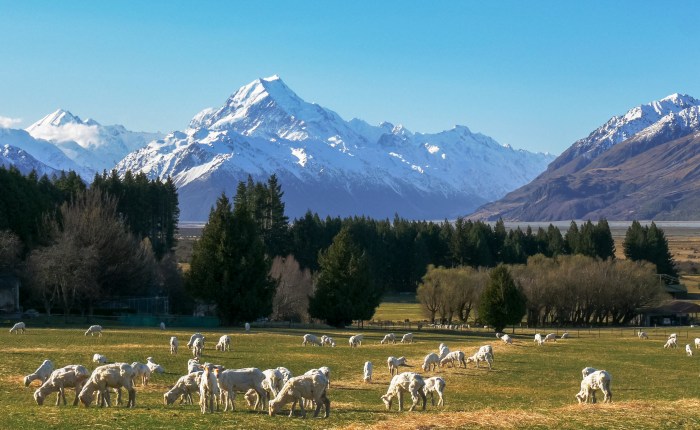
So it’s time to “Don’t leave town until you see the Country!” again. I love a good road trip. I’ve driven from Cape Reinga to Bluff and most places in-between. There’s so much to see! The gorgeous bays of Bay of Islands, Molesworth Station, Ophir, the giant canals of the South Island’s Hydro-electric schemes, Lake Paringa on the West Coast, Arrowtown, the square of Palmerston North, the Redwoods of Whakarewarea Forest at Rotorua, the Hokianga Car Ferry, Mona Vale Gardens and the Wairarapa to name but a few places I’ve been to on road trips.
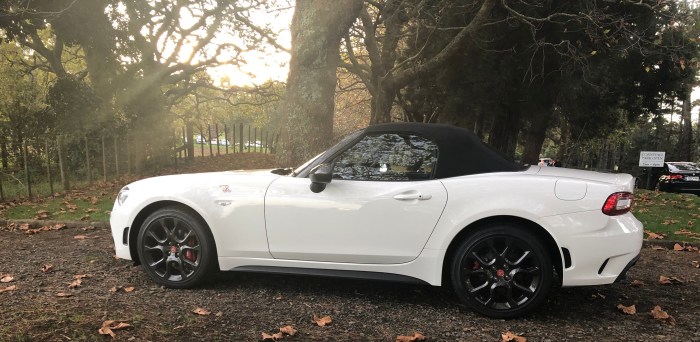
And no disappointment if your favourite isn’t mentioned, the list is almost never-ending. In fact the only two places I think I haven’t driven to are Gisborne and Farewell Spit. Makes me want to wrap my hands around the leather steering wheel, press “START” and head off.
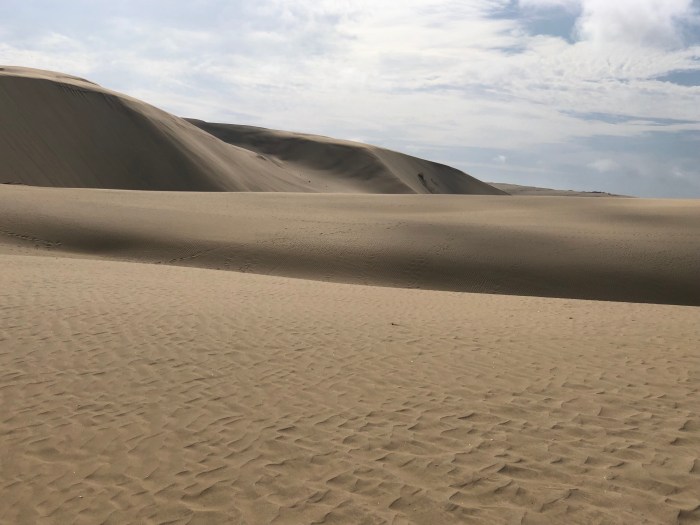
My personal favourites from the top of my head: the Giant Te Paki sand dunes, Otira Viaduct at Arthurs Pass, Gibbston Valley in Autumn, and – one I visit every week – Cornwall Park.
Right now, we’re not able to do any road trips – STAY HOME! – but it’s an ideal time to plan the next one, to reflect on places you’ve been to – get the photos out or on the screen and relive the memories.
Taking time to reflect on past adventures enriches us. We should allow ourselves the time and space to take a journey in our minds. Reflection is not just about learning.
It’s also an opportunity to luxuriate in past pleasures and times of great satisfaction.
Are we there yet!
Stephen

 One of those I interviewed referenced the Leadership Walk as being one of the most powerful parts of her development. She didn’t call it by our anointed name, but the meaning she took out of it and then applied back at work was very gratifying to hear. Another said that the most powerful feedback moment he took was, well, about feedback. He has adjusted how and when he gives feedback to his team and said it’s made a material difference to his team leadership.

 Stephen Drain's Leadership Blog