Imperfect

In the movie Force Majeure Tomas, Ebba and their two children are holidaying at a French ski resort. During lunch at the outdoor restaurant on the second day they observe what they think is a controlled avalanche. Suddenly it becomes apparent that it might not be controlled and a wall of snow is about to engulf the family. The children scream and Ebba attempts to protect them. Tomas grabs his cellphone and runs for safety leaving them behind.
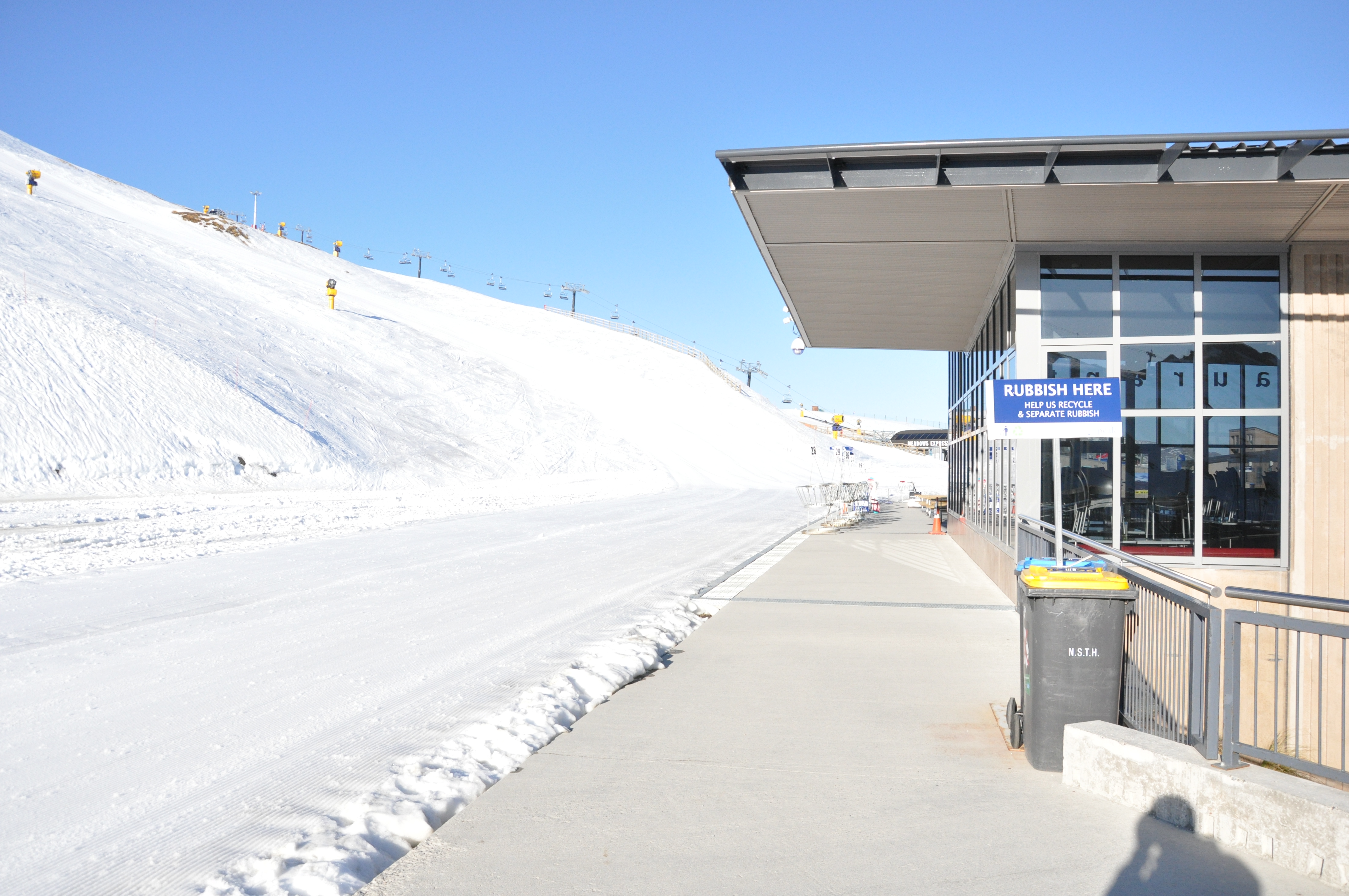
It's  a perfect day, but you need to be ready for that to change.
It’s a perfect day, but you need to be ready for that to change.

It’s a false alarm, the wall of snow was fog and the avalanche had stopped clear of the resort. Tomas returns to find his family shaken, and they resume their lunch.

Nothing is said in the immediate aftermath of the incident but it places a dark cloud over the family and their holiday. Eventually Ebba confronts Tomas on why he abandoned his family in the face of such a devastating threat.

Tomas denies Ebba’s version, telling her she is entitled to her perception of events and suggesting that he couldn’t have run anyway, as he was wearing ski boots. A video of the event is produced which shows Tomas doing a runner but he remains unapologetic.

I couldn’t help think that Tomas’ behaviour was probably a “fight or flee” reaction, but leaving the children behind was not something Ebba (or others she engaged about the incident) could really understand.

Much of the movie was spent by me thinking “why don’t you just man up and accept it was a reaction, but wrong?”.

None of us is perfect, and neither is any leader. But we try. When we fail it’s time to man or woman up, acknowledge it, do what is necessary to fix it so everyone can move on.

Ebba and the children couldn’t move on.

Neither could Tomas – that was a big insight for me.

Anything you need to man or woman up on today?

Stephen

Next blog about a stunning picture of leadership.

169 cars (and 3 buses)

Travelling on two wheels up the bus lane on Dominion Road most mornings gives me a sense of the futility of single car commuting. I spent years doing it, love driving and retreat to the car when I’m not feeling 100% or I feel the weather is a risk factor.

This morning there was quite a group of scooters and motorcycles together for most of the distance. A feeling of camaraderie and freedom. It’s a lot of fun too.

The e-bike is just as good, if not better, and not much slower. The fantastic Grafton Gully to Tamaki Drive cycleway is mine to luxuriate on for half the journey.

The other day I counted how many cars I passed on Dominion Road, many stationary.

No exactly Dominion Road, but Waiheke isn't far!
Not exactly Dominion Road, but Waiheke isn’t far!

I’m deliberately grouping bike and motorcycles together, there are similar advantages. It’ll take quite a lot more commitment by leadership to make it a preferred option for the solo-car commuter.

From the car it can appear mildly annoying, not like real road users. From the two wheels it’s freedom, fun and most of all fast!

It might not be an alternative across the bridge (yet), but for many people I see, it would be a great option. Forget lectures about the environment, congestion or your wallet.

Just for yourself. It’s fun.

Now that’s got to be a reason to do something!

Have you overlooked fun in your leadership today?

Stephen

Next blog about being imperfect.

The value in a road trip

Driving from Avignon to Florence is one amazing drive. Viaduct follows tunnel follows viaduct. The count on the trip in 2013 was over 150 tunnels. The road is narrow compared to most New Zealand motorways and expressways – there isn’t a wide verge that is the norm here. The driving is fast, accurate and everyone keeps right except when overtaking. I loved the cars too: Fiats, Lancias (we don’t get them here now), Porsches, Ferraris, Range Rovers, oh and of course a few BMWs.

Acting out our freedom value
Acting out our values

Despite the fact I commute mainly on two wheels now (see next blog), I love a road trip. The other day I was in Taupo and with the traffic light on the Waikato Expressway, drivers mainly keeping left, on cruise control I had a mini relapse back to Italy,

There were four of us for about 40 kilometres –  me, a Chrysler V8, a BMW motorcycle and a fourth car I didn’t identify – all travelling in convoy, in respect, at steady speed. A great part of a great road trip.

In the past I’ve reflected on the joy of the road trip. Whenever I’ve thought about the ideal holiday, car travel comes to mind.

I’ve enjoyed driving since the day I first drove on my 15th birthday. That feeling of freedom behind the wheel on the open road is still with me.

What’s your most important value? What do you do to exercise that value to bring meaning and joy?

Tauranga on Friday! Can’t wait.

Stephen

The theory of luck

Apparently Stephen Hawking is fortunate to have acquired the disease “ALS” at an early age. This is one of the factors which has contributed to him living over 50 years since the diagnosis. It’s also the variable nature of the disease and he’s lucky that he has a form of the disease that appears to have stabilised. Only a very small number of sufferers of the disease are lucky enough to have the variation of ALS that he has.

Lucky too that he’s got such a big brain.

I thoroughly recommend his books. They’re challenging reads and for me, not being a scientist, turn the impossible into the manageable.

You can learn about Hawking’s life too, in the movie The Theory of Everything.  Eddie Redmayne was awarded the Oscar for Best Actor this week, and he does put on a pretty impressive performance. Hawking liked it too.

There’s a lot of luck in what makes us what and who we are. Some people say that we can make our luck too. Whether that’s true or not, we can certainly make the circumstances around us that shape our lives, using what we have.

Stephen Hawking had the most extraordinary back luck as a 21 year old to contract such a debilitating disease. It’s trite to say he has made an enormous difference, and continues to do so, in our understanding of the very meaning of our existence. We’re lucky to have him I reckon .

He uses his luck of a fine intellect and the good luck that went with the rotten luck in the disease to the maximum effect for himself and all of us.

I count myself as pretty lucky. But I do wonder whether I use all the luck that comes my way to the maximum effect.

Stephen