Back on the streets

After a month in Europe it was great to back on the bike to and from work. I don’t cycle every day, but I try for three times a week. It’s 9 kilometres give or take, half or which is on dedicated cycle lanes and half on a bus lane. Cycling on a bus lane is not for the faint-hearted, but I’ve only had good experiences with buses – it’s the cars that cross or enter the lane who create challenges.

Rush hour in Copenhagen

I had an impression that cycling in Berlin and Copenhagen would be quite special. It was. But not just for the infrastructure – I’ll come back to that shortly – but for the attitude of the residents. A cycle lane means a traffic lane for cycles that you respect as you would another lane of traffic – more so in fact because cyclists are obviously vulnerable – not a nuisance or barrier for ‘real’ traffic (as can often be the local experience). Cyclists are sensible too – not aggressive to each other or other road users – but like most traffic in Europe they move with intent. One of my sisters said that she’d be too timid to cycle on a cycle lane in Copenhagen – too busy she said – and she’s right, it is busy.

Some streets are just made for cycling

I found it invigorating to be cycling with so many like-minded people. And it’s not just the hardy or lycra- wearing (of which there were very little). But parents picking up their children after day care, business people commuting and Seniors getting around doing their shopping. Many apartments appeared not to have car parks in Copenhagen, but there were lots of cycles parked everywhere. A different normal.
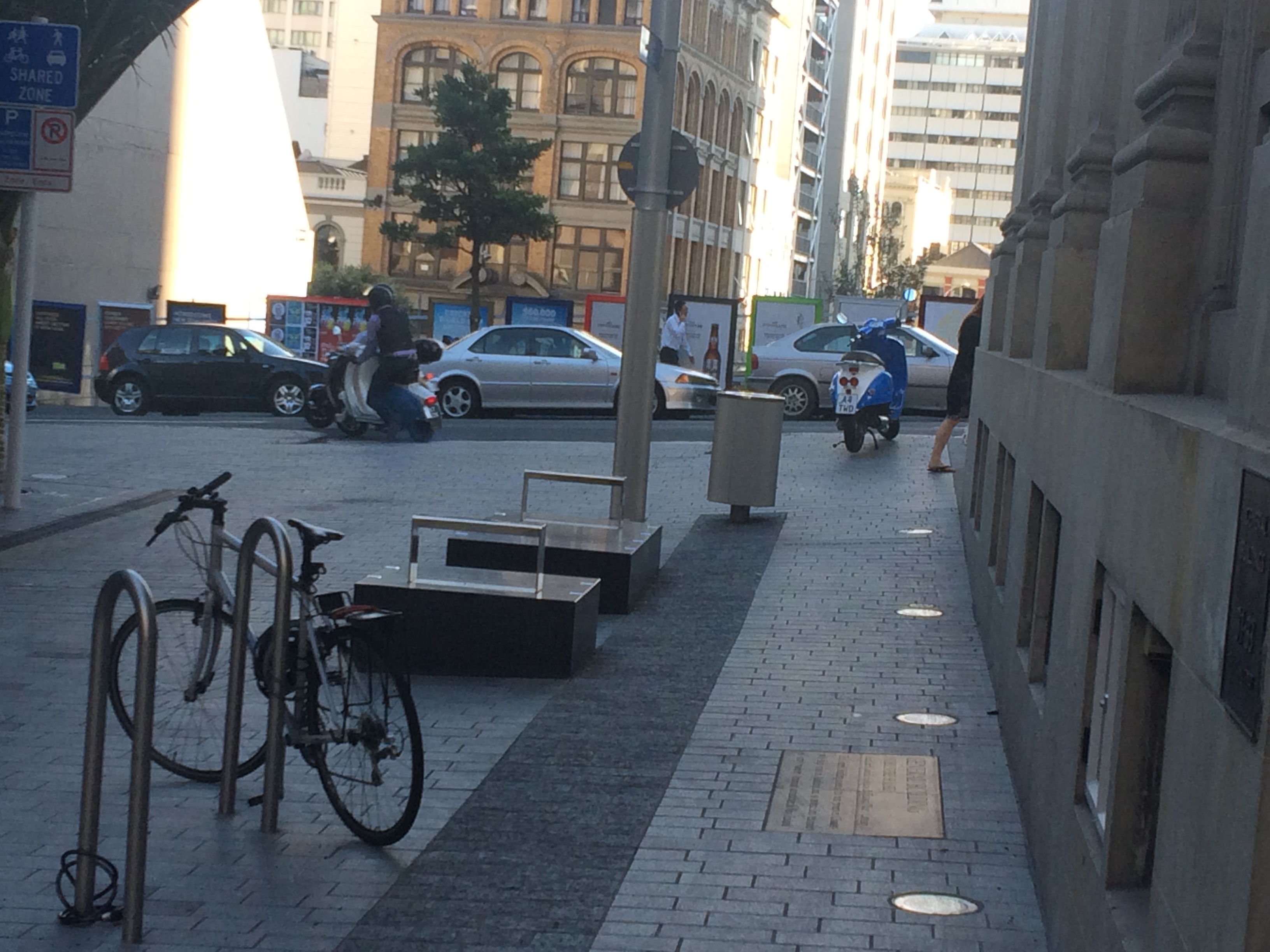
Auckland has much to offer cyclists. Just get out there and do it!

Now Auckland is not flat like either of those two cities so there are challenges for cyclists (which e-bikes solve quite easily). Copenhagen was anything but a cycling city in the mid 1960s but decisions made to retrofit cycling infrastructure and prioritise roads for cyclists made it what it is. And there’s lots of signs of on-going improvements and changes to this day.

We’re at a tipping point in Auckland with some fantastic projects completed and underway which have the potential to transform the use of cycling as a viable means of transport. Normalisation and attitude changes to embrace commuters on cycles will hopefully follow. That’s when the tipping point will have been realised.

So why bother? It’s clean, healthy, reduces the need for roads to be built and above all else (if you want to be selfish), it’s so much fun! And being joyful is as good a reason as any to get on that bike. If you haven’t tried it for a while, I bet you’ll be smiling in no time. Chances are it will be faster than the car.

And what’s this got to do with leadership: You’ll start and finish the day in a much better mindset and it feels an authentic and connected way to move around. A virtuious cycle you could almost say!

Stephen
 

A winter mojo

Maybe it’s a general malaise, winter, too much work or not enough on reflection time. In a moment of escape from the intensity of work it occurred that I’d lost my mojo. A colleague said it wasn’t anything that a holiday wouldn’t fix.  He’s probably right.

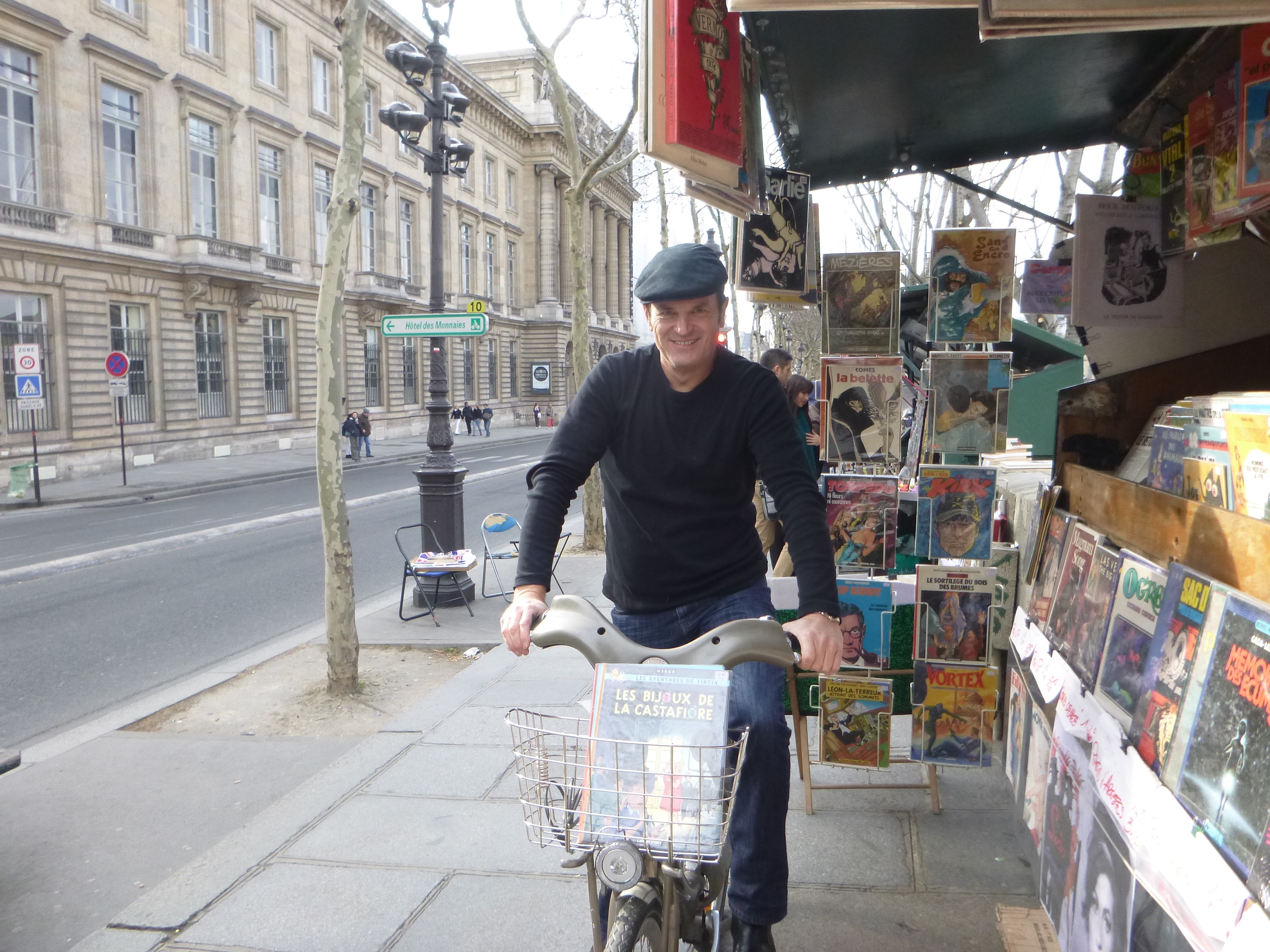
It got me thinking about why and how we lose our mojo. Paris on stephendrain.comIs it one thing? Work perhaps?

Experience tells me it’s never one thing, not often just two things but a combination of too much and too little.

For me too much of the same, too many deadlines and too little reflection and things that add meaning to be personally.

The last bit is it. Meaning. Which is why for me the first blog in two months. A place I went to, to start getting my mojo back.

What will you do?

Stephen

A community of men

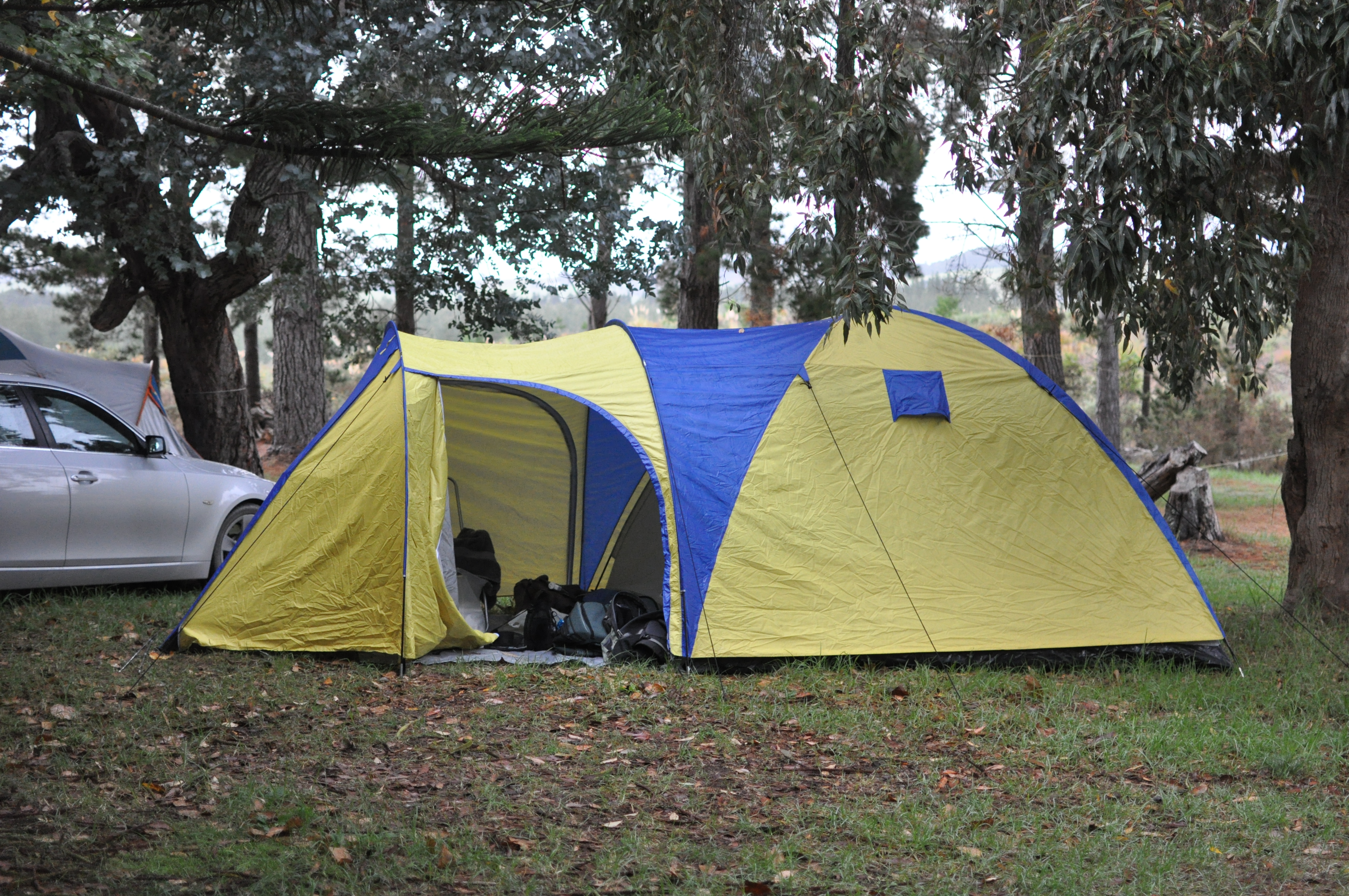
Going back to help set up the Pathways to Manhood programme at Te Arai Point was a homecoming of sorts. Getting the tent out (hoping all the bits were there), checking the camping gear (I’m not waking up at 2am with no air in the lilo this time!) was all part of the experience.

There’s a lot of stuff to pack for a couple of days camping. For a couple of city guys, my son Tim and I felt a little bit anxious about what to expect. We’d been there before as participants, and then it was challenging, even hard at times and I had felt the pull to return in some capacity. But we didn’t really know what to expect.

The main thing that stuck with me about being there last time was acceptance. No one judged, everyone was accepted.

DSC_6748
Finding our own Teepee

It was just the same this time. Although we were there to help we helped in whatever way worked for us. Tim and I were in the kitchen for quite a bit of the time, helping set it up, and that morphed into preparing meals for the men present. Some unloading of firewood during a downtime in the kitchen got the back moving (now maybe that was the start of the bad back that arrived on Sunday!).

In the evenings we all retired to the giant Teepee with dug out fire for light and heat. Jokes, poems, songs, music, stories and reflection. Tim didn’t seem in any rush to head to the tent, preferring the community of man around the fire.

Acceptance. It’s incredibly powerful and giving. Soon we’ll be on the Authentic Leadership Programme again, and with it I hope we will bring a sense of acceptance to those a little anxious at the beginning.

We all need our own teepee. A place where we’re accepted without judgment. A place to reflect.

Stephen

The theory of luck

Apparently Stephen Hawking is fortunate to have acquired the disease “ALS” at an early age. This is one of the factors which has contributed to him living over 50 years since the diagnosis. It’s also the variable nature of the disease and he’s lucky that he has a form of the disease that appears to have stabilised. Only a very small number of sufferers of the disease are lucky enough to have the variation of ALS that he has.

Lucky too that he’s got such a big brain.

I thoroughly recommend his books. They’re challenging reads and for me, not being a scientist, turn the impossible into the manageable.

You can learn about Hawking’s life too, in the movie The Theory of Everything.  Eddie Redmayne was awarded the Oscar for Best Actor this week, and he does put on a pretty impressive performance. Hawking liked it too.

There’s a lot of luck in what makes us what and who we are. Some people say that we can make our luck too. Whether that’s true or not, we can certainly make the circumstances around us that shape our lives, using what we have.

Stephen Hawking had the most extraordinary back luck as a 21 year old to contract such a debilitating disease. It’s trite to say he has made an enormous difference, and continues to do so, in our understanding of the very meaning of our existence. We’re lucky to have him I reckon .

He uses his luck of a fine intellect and the good luck that went with the rotten luck in the disease to the maximum effect for himself and all of us.

I count myself as pretty lucky. But I do wonder whether I use all the luck that comes my way to the maximum effect.

Stephen